Presidents of Mexico
Every president of Mexico from Guadalupe Victoria in 1824 to today — and, beside the ones that matter, what the naturalization exam actually asks about them.
Presidents come up constantly on the Mexican naturalization exam. Not as a list to recite — nobody is asked to name all eighty-odd of them — but as anchors. Who was the first president. Who expropriated the oil. Who was in office for the Olympics, the earthquake, the World Cup. Learn the handful of presidents the exam attaches events to and a whole category of questions opens up at once.
So this timeline is annotated. Every president is here in order, with exact dates, but the ones the exam asks about carry a study note explaining what it asks and how it tries to trip you up. The notes are drawn from our question bank of over 550 reported exam questions — the same bank behind our practice test — and each one shows the real questions underneath it, in the wording candidates reported. A president with nothing in the bank gets dates only, which is a signal in itself.
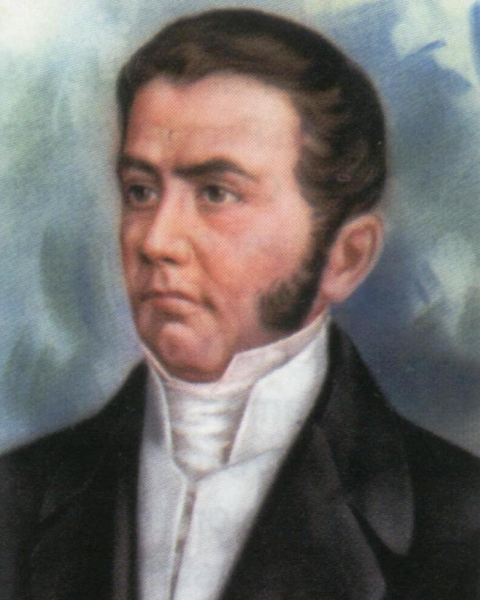
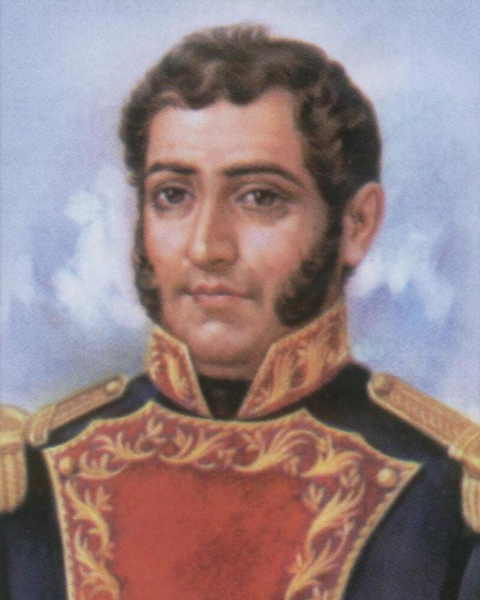
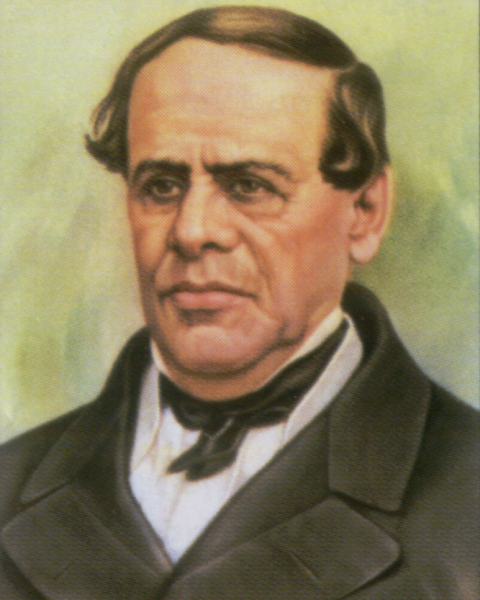
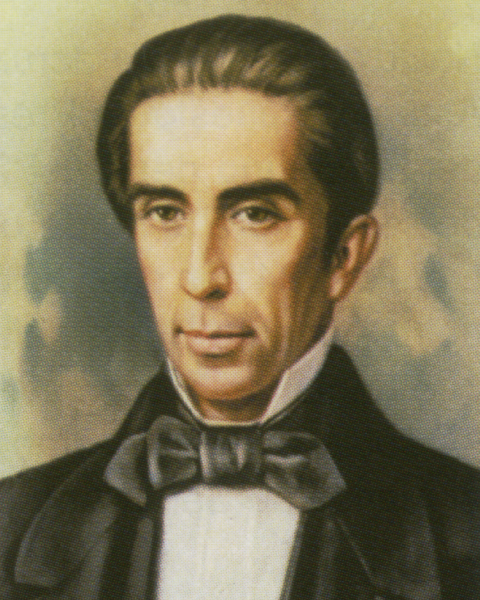
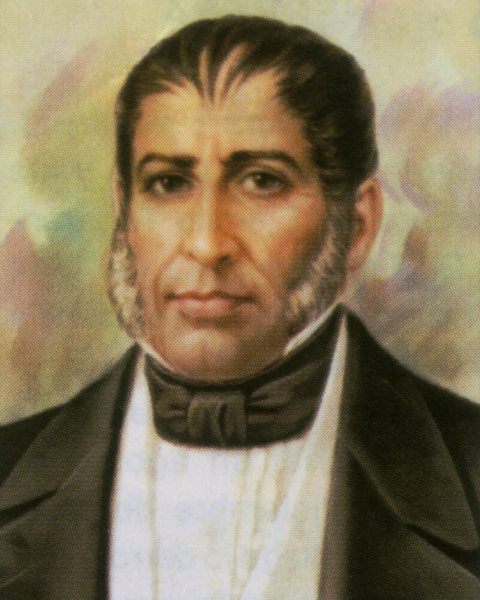
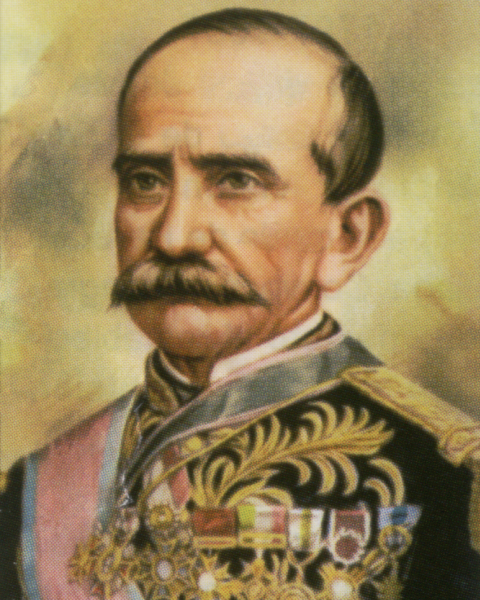
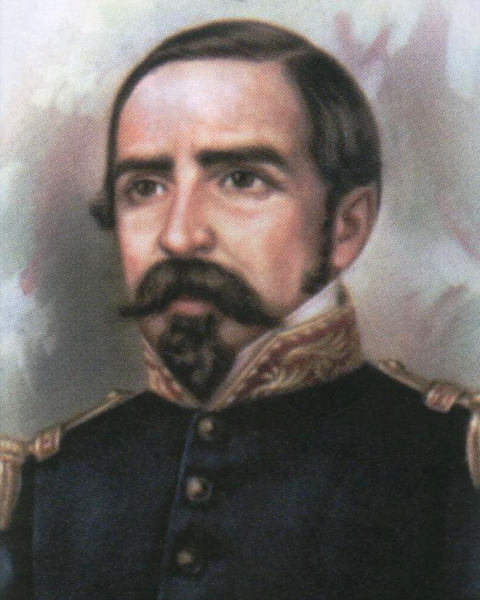
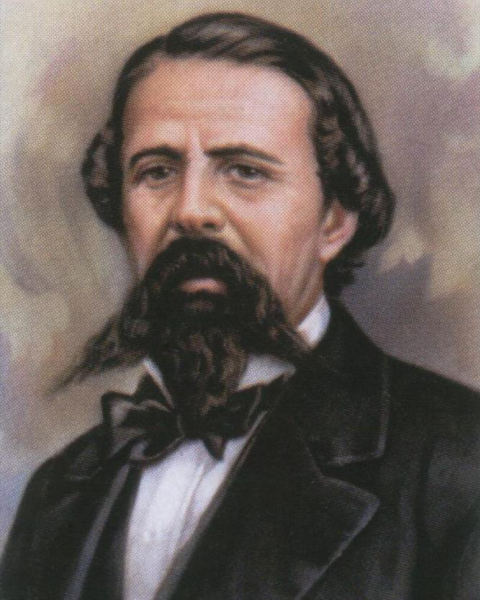
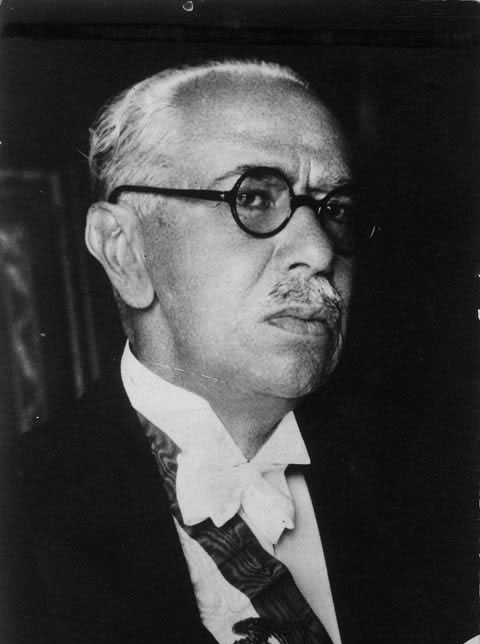
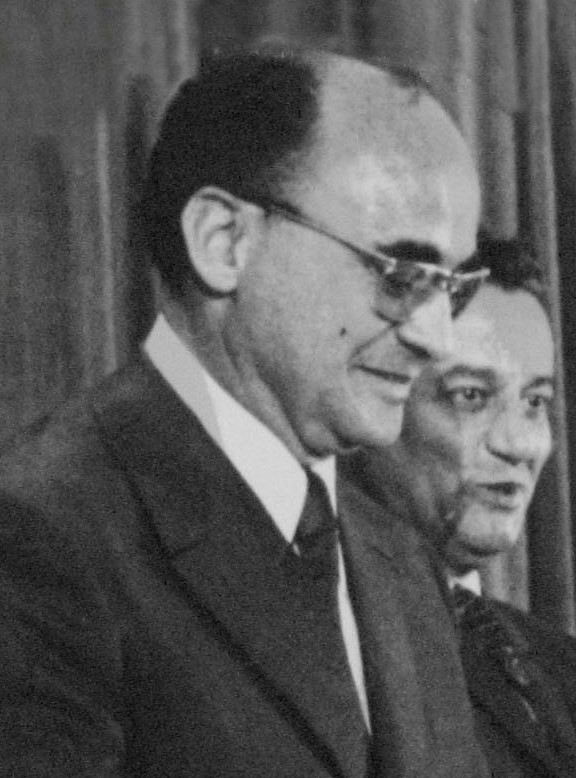
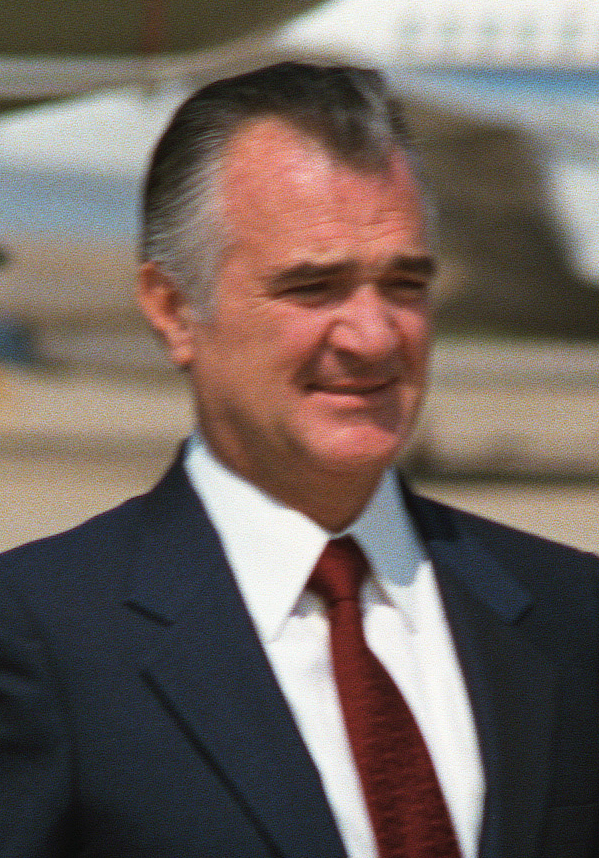
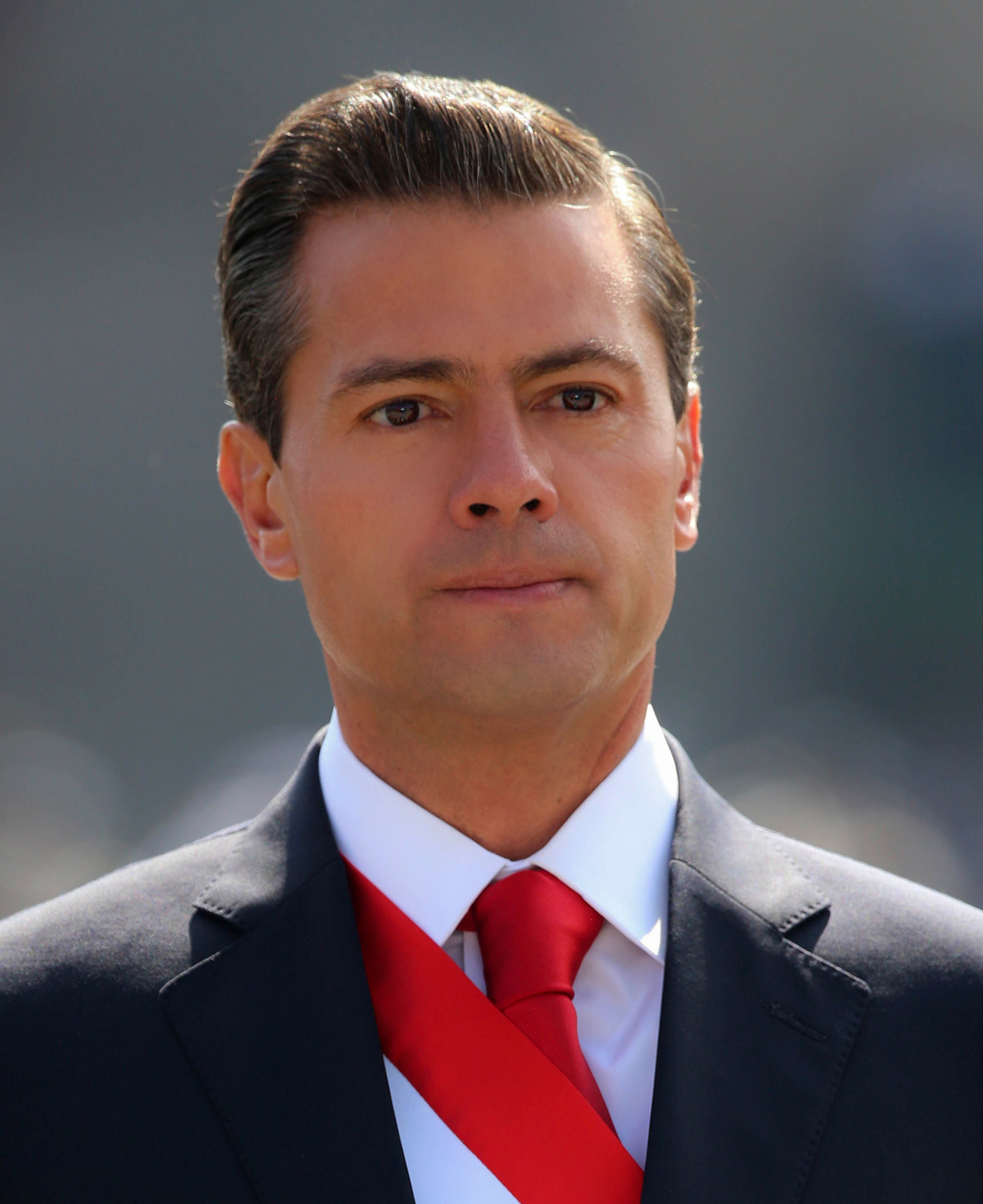
Use the switches to reverse the order, hide the portraits, drop the exact dates for years alone, or hide every president the exam has nothing to ask about.
The most-tested presidents
These are the presidents the exam returns to. If you learn nothing else from this page, learn these.
- Guadalupe VictoriaWho was the first president of Mexico?
- Benito JuárezWhich president said, "Among individuals, as among nations, respect for the rights of others is peace"?
- Porfirio DíazWho was Porfirio Díaz?
- Francisco I. MaderoWhose slogan was "Effective suffrage, no reelection" during the Revolution?
- Plutarco Elías CallesWho founded the Bank of Mexico?
- Lázaro CárdenasWhich president expropriated the oil industry?
- Manuel Ávila CamachoWhen was the national anthem officially declared?
- Adolfo Ruiz CortinesIn what year was women's suffrage approved?
- Adolfo López MateosWhich institution was inaugurated during the presidency of Adolfo López Mateos?
- Gustavo Díaz OrdazWho was president of Mexico during the 1968 Tlatelolco massacre?
- José López PortilloWhich president nationalized the banks?
- Miguel de la MadridWhich president was in office during the 1985 earthquake and the 1986 World Cup?
- Carlos Salinas de GortariDuring which administration was NAFTA, the North American Free Trade Agreement, signed?
The mix-ups the exam counts on
Most president questions are not hard on their own. They are hard because two answers sit next to each other and the wrong one is always offered.
- Iturbide was the first president
- Guadalupe Victoria was the first president, in 1824. Agustín de Iturbide came before him, but as emperor — he is never the answer to a question about presidents.
- Cárdenas nationalized the banks
- Cárdenas took the oil, in 1938. José López Portillo took the banks, in 1982. The exam offers both names for both questions.
- The IMSS and the ISSSTE are the same answer
- IMSS: 1943, Manuel Ávila Camacho, private-sector workers. ISSSTE: 1959, Adolfo López Mateos, state workers.
- The Olympics and the Metro were the same year
- The Olympics were 1968; Line 1 of the Metro opened September 4, 1969. Both under Gustavo Díaz Ordaz, one year apart.
- Women first voted in 1953
- Suffrage was approved in 1953, under Adolfo Ruiz Cortines. Women first voted in a federal election on July 3, 1955.
Guadalupe Victoria
The most reported president question in the whole bank. He was Mexico's first president, 1824–1829, and one of the very few of that era to finish a term. Learn the trap that travels with him: Agustín de Iturbide ruled before him, but as emperor, never as president.
Asked like this
- Who was the first president of Mexico?Guadalupe Victoria

Vicente Guerrero
The exam gets at him through a quote: «La patria es primero» — the homeland comes first — is his. Don't hand it to Hidalgo, whose line is «El perdón es para los criminales, no para los defensores de la patria».
Asked like this
- Who said the phrase "The homeland comes first"?Vicente Guerrero

José María Bocanegra
Pedro Vélez
Anastasio Bustamante

Melchor Múzquiz

Manuel Gómez Pedraza

Valentín Gómez Farías

Antonio López de Santa Anna
He appears on this timeline eleven separate times, and the exam reaches him sideways rather than by name: the Plan de Casa Mata he backed against Iturbide's empire, the Plan de Ayutla that finally ended his dictatorship in 1855, and his defeat by Samuel Houston at San Jacinto in 1836, after which Texas separated from Mexico.
Asked like this
- What was the Plan de Casa Mata about?Santa Anna against the Iturbide Empire
- Which plan ended Santa Anna's dictatorship?The Plan of Ayutla
- Who defeated General Santa Anna at the Battle of San Jacinto in 1836?General Samuel Houston, during the Texas war of independence

Valentín Gómez Farías

Antonio López de Santa Anna

Valentín Gómez Farías

Antonio López de Santa Anna

Valentín Gómez Farías

Antonio López de Santa Anna

Miguel Barragán

José Justo Corro
Anastasio Bustamante

Antonio López de Santa Anna

Nicolás Bravo
Anastasio Bustamante

Francisco Javier Echeverría
Antonio López de Santa Anna

Nicolás Bravo
Antonio López de Santa Anna

Valentín Canalizo

Antonio López de Santa Anna

José Joaquín de Herrera

Valentín Canalizo

José Joaquín de Herrera

Mariano Paredes

Nicolás Bravo
José Mariano Salas

Valentín Gómez Farías

Antonio López de Santa Anna

Pedro María de Anaya
Antonio López de Santa Anna

Manuel de la Peña y Peña
Pedro María de Anaya
Manuel de la Peña y Peña
José Joaquín de Herrera

Mariano Arista

Juan Bautista Ceballos

Manuel María Lombardini
Antonio López de Santa Anna

Martín Carrera
Rómulo Díaz de la Vega
Juan Álvarez
Ignacio Comonfort
Benito Juárez
After Guadalupe Victoria, the president the bank asks about most, and it asks four ways: the quote «El respeto al derecho ajeno es la paz»; the Reform Laws of 1857–1860 that separated church and state; the civil registry those laws created on July 28, 1859; and his title, Benemérito de las Américas.
Asked like this
- Which president said, "Among individuals, as among nations, respect for the rights of others is peace"?Benito Juárez
- On what date was the first civil registry formally established?July 28, 1859, with the Reform Laws (under Benito Juárez)
- What laws, enacted between 1857 and 1860 under Benito Juárez, separated church and state?Reform Laws
- Which Mexican president is known as the Benemérito de las Américas (Meritorious of the Americas)?Benito Juárez

Sebastián Lerdo de Tejada
Two facts carry him: he took the presidency as president of the Supreme Court when Juárez died in 1872, and he gave Paseo de la Reforma its current name, in honour of the Reform Laws. Porfirio Díaz removed him in 1876 with the Plan de Tuxtepec.
Asked like this
- Who assumed the presidency of Mexico after Benito Juárez died in 1872?Sebastián Lerdo de Tejada, then president of the Supreme Court
- Which president gave Paseo de la Reforma its current name?Sebastián Lerdo de Tejada, in honor of the Reform Laws

José María Iglesias

Porfirio Díaz
The Porfiriato — 1876 to 1911 — is a named period the exam asks you to identify. Three more things attach to him: he came to power through the Plan de Tuxtepec, the first telephone call in Mexico (Chapultepec Castle to the National Palace) is credited to him, and so is the phrase «¡Pobre México! Tan lejos de Dios y tan cerca de Estados Unidos».
Asked like this
- Who was Porfirio Díaz?A military hero of the fight against the French intervention, and the president who ruled Mexico for over 30 years, until 1911
- What is the period of Mexican history from 1876 to 1911, just before the Revolution, called?The Porfiriato, the era when Porfirio Díaz governed
- What technological contribution is attributed to Porfirio Díaz?The first phone call in Mexico, between Chapultepec Castle and the National Palace
- Which president is credited with the phrase 'Poor Mexico! So far from God and so close to the United States'?Porfirio Díaz

Juan Nepomuceno Méndez

Porfirio Díaz

Manuel González Flores

Porfirio Díaz

Francisco León de la Barra

Francisco I. Madero
His slogan «Sufragio efectivo, no reelección» and his 1908 book La sucesión presidencial en 1910 both come up. So does how he ended: the Decena Trágica, the ten-day coup of February 1913, in which he and vice-president José María Pino Suárez were murdered.
Asked like this
- Whose slogan was "Effective suffrage, no reelection" during the Revolution?Francisco I. Madero's.
- What book did Francisco I. Madero write before the Mexican Revolution?The Presidential Succession in 1910
- What was the name of the military coup that overthrew Francisco I. Madero?The Ten Tragic Days
- Who was killed along with Francisco Madero?José María Pino Suárez

Pedro Lascuráin
Victoriano Huerta
The exam knows him as the general who betrayed Madero during the Decena Trágica, February 9–19, 1913, and as the man the Plan de Guadalupe was written against.
Asked like this
- What coup d'état lasted from February 9 to 19, 1913?The Ten Tragic Days
- What plan, signed on March 26, 1913, disavowed Victoriano Huerta's government for its betrayal of Francisco I. Madero?Plan of Guadalupe

Francisco S. Carvajal

Eulalio Gutiérrez

Roque González Garza
Francisco Lagos Cházaro

Venustiano Carranza
Three linked facts: he proclaimed the Plan de Guadalupe on March 26, 1913 against Huerta, he led the Constitutionalist Army as its First Chief, and the Constitution still in force today was promulgated under him at Querétaro on February 5, 1917.
Asked like this
- What plan did Venustiano Carranza proclaim to overthrow Victoriano Huerta?Plan de Guadalupe
- Who led the Constitutionalist Army?Venustiano Carranza
- On what date was Mexico's current Political Constitution promulgated?February 5, 1917

Adolfo de la Huerta
Álvaro Obregón
He is the president-elect assassinated in 1928, before he could take office a second time. His death is what opens the Maximato.
Asked like this
- Which president-elect of Mexico was assassinated in 1928?Álvaro Obregón
Plutarco Elías Calles
He founded two institutions the exam asks about by name: the Bank of Mexico in 1925 and the Partido Nacional Revolucionario (PNR) in 1929 — the party that became the PRI. He is also the «Jefe Máximo» the Maximato is named for, still running the country from outside the presidency. Don't confuse founding the Bank of Mexico with the 1982 bank nationalization, which was López Portillo's.
Asked like this
- Who founded the Bank of Mexico?Plutarco Elías Calles
- Who founded the National Revolutionary Party (PNR) in 1929?Plutarco Elías Calles
Emilio Portes Gil
One reliable question: the public university, today's UNAM, became autonomous during his term, in 1929. He is also the first of the three Maximato presidents.
Asked like this
- During which president's term did the public university become autonomous?Emilio Portes Gil (1929)
- Which presidents governed during the Maximato?Emilio Portes Gil, Pascual Ortiz Rubio, and Abelardo L. Rodríguez (1928-1934).

Pascual Ortiz Rubio
Second of the three presidents of the Maximato, 1928–1934 — the stretch when Calles held the real power from outside the office. The exam asks for the three names together.
Asked like this
- Which presidents governed during the Maximato?Emilio Portes Gil, Pascual Ortiz Rubio, and Abelardo L. Rodríguez (1928-1934).

Abelardo L. Rodríguez
Third of the three presidents of the Maximato. The period closed when Lázaro Cárdenas broke with Calles and expelled him from the country.
Asked like this
- Which presidents governed during the Maximato?Emilio Portes Gil, Pascual Ortiz Rubio, and Abelardo L. Rodríguez (1928-1934).

Lázaro Cárdenas
The oil president. On March 18, 1938 he expropriated the foreign oil companies and created PEMEX — a date still commemorated every year. He also founded the Instituto Politécnico Nacional (IPN) in 1936. Keep him apart from José López Portillo, who nationalized the banks in 1982; the exam deliberately plays the two against each other.
Asked like this
- Which president expropriated the oil industry?Lázaro Cárdenas del Río
- Which oil company did Lázaro Cárdenas create?PEMEX / Petróleos Mexicanos
- Which institution dedicated to technical education did Lázaro Cárdenas found?Instituto Politécnico Nacional
- Which president created the Instituto Politécnico Nacional (IPN)?Lázaro Cárdenas

Manuel Ávila Camacho
1943 is his year twice over: the national anthem was made official and the IMSS was created. He also declared war on the Axis powers in 1942 — Mexico's contribution was Squadron 201, which fought in the Pacific — and he inaugurated the Diana Cazadora fountain on Paseo de la Reforma.
Asked like this
- When was the national anthem officially declared?In 1943, during the presidency of Manuel Ávila Camacho. It was first sung on September 15, 1854
- In what year was the Mexican Social Security Institute (IMSS) created?In 1943, during the presidency of Manuel Ávila Camacho
- Which Mexican president declared war on the Axis powers during World War II?Manuel Ávila Camacho, in 1942
- Who inaugurated the fountain of the Diana Cazadora?Manuel Ávila Camacho

Miguel Alemán Valdés

Adolfo Ruiz Cortines
Women's suffrage is his: the constitutional reform of October 17, 1953 granted Mexican women full citizenship and the federal vote, and women first voted in a federal election on July 3, 1955. The exam asks for 1953 as the year suffrage was approved — 1955 is the year they first cast ballots, and mixing the two is the standard trap.
Asked like this
- In what year was women's suffrage approved?1953
- When did women vote for the first time in Mexico?July 3, 1955

Adolfo López Mateos
The ISSSTE, the social security institute for state workers, was created under him in 1959. Its paired trap is the IMSS — 1943, Ávila Camacho, private-sector workers. The exam asks both, and asks them the same way.
Asked like this
- Which institution was inaugurated during the presidency of Adolfo López Mateos?ISSSTE (Institute for Social Security and Services for State Workers)
- During which administration was the ISSSTE created?Adolfo López Mateos

Gustavo Díaz Ordaz
The 1968 Olympic Games in Mexico City — the first ever held in Latin America — fell in his term, as did the Tlatelolco massacre of October 2, 1968, ten days before they opened. Line 1 of the Mexico City Metro followed on September 4, 1969, and Mexico hosted the 1970 World Cup under him. Watch the years: Olympics 1968, Metro 1969.
Asked like this
- Who was president of Mexico during the 1968 Tlatelolco massacre?Gustavo Díaz Ordaz
- During whose presidency was the Mexico City Metro inaugurated?Gustavo Díaz Ordaz's, in 1969
- When were the Olympic Games held in Mexico?1968 in Mexico City
- On what date was the first line of the Mexico City Metro inaugurated?September 4th, 1969

Luis Echeverría

José López Portillo
The bank nationalization of September 1, 1982 is one of the most-reported president questions in the bank. He also received Pope John Paul II on the Pope's first visit to Mexico, in 1979. Don't swap him with Cárdenas: oil is Cárdenas, banks are López Portillo.
Asked like this
- Which president nationalized the banks?José López Portillo
- Which president received Pope John Paul II on his first visit to Mexico, in 1979?José López Portillo

Miguel de la Madrid
One question does all the work: he was president for both the earthquake of September 19, 1985 and the 1986 World Cup — the tournament that made Mexico the first country to host it twice.
Asked like this
- Which president was in office during the 1985 earthquake and the 1986 World Cup?Miguel de la Madrid

Carlos Salinas de Gortari
NAFTA is his: signed in 1992 during his administration, in force on January 1, 1994, with the United States and Canada. That same date, January 1, 1994, is when the Zapatista movement emerged in Chiapas — the bank asks about it separately, and the shared date is worth remembering.
Asked like this
- During which administration was NAFTA, the North American Free Trade Agreement, signed?Carlos Salinas de Gortari
- When did NAFTA take effect?January 1st, 1994
- With which countries did Mexico sign NAFTA?United States and Canada

Ernesto Zedillo

Vicente Fox
His win in 2000 is the answer sitting behind a party question: the PRI governed Mexico without interruption until 2000, and it was Fox's victory that ended the run. Seguro Popular, the health coverage scheme the bank asks about, was created in 2004 — inside his term on this timeline.
Asked like this
- Which political party governed Mexico without interruption for most of the twentieth century?The Institutional Revolutionary Party (PRI), in power until 2000
- What was the name of the health insurance program created in 2004 for people without social security coverage?Seguro Popular
Felipe Calderón

Enrique Peña Nieto
The renaming of the Distrito Federal to Ciudad de México, on January 29, 2016, falls in his term. The exam asks for the date and for which city changed its name. Don't confuse it with February 5, 2017, when Mexico City's own local constitution was promulgated.
Asked like this
- When did the name change from the Federal District (DF) to Mexico City (CDMX)?January 29, 2016
- Which city changed its name in 2016?Ciudad de México / Mexico City

Andrés Manuel López Obrador

Want spaced repetition?
Our study platform schedules your reviews so the facts stick.