Printable Mexican Naturalization Study Guides
Every deck on our study platform can be printed as a PDF study guide — foldable flashcards you can cut out, or a plain question-and-answer sheet. Each one is generated the moment you ask for it, so a guide always matches the questions we have today.
Two ways to print
- Download PDF The ready-made guide: every card in the deck, four to a page, folded for double-sided study.
- Customize Opens the guide builder on our study platform, where you pick the language and layout, how many cards fit on a page, whether to include the fill-in-the-blank statements, and single- or double-sided printing.
The decks follow the units on our study platform: the exam topics first, each one in study order, then the reference decks.
Civics & Constitution
Articles 1–38, rights and duties, the political system and institutions.

The three branches and the President
Unit 1 · 17 cards
The executive, legislative and judicial branches, who leads the government, how long a presidential term lasts and how the Supreme Court is organized.

The Congress of the Union
Unit 2 · 17 cards
The Senate and the Chamber of Deputies: whom each chamber represents, how many members they have, their terms and how the Constitution is amended.
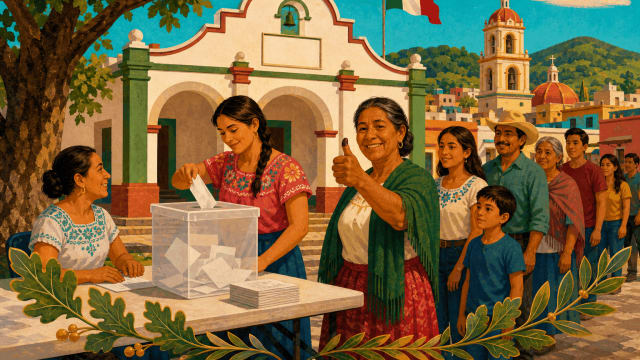
Federalism, municipalities, the INE and parties
Unit 3 · 17 cards
The three levels of government, the municipality, the INE and federal elections, and the political parties that have governed Mexico.

The flag and the national symbols
Unit 4 · 13 cards
Which are Mexico's national symbols, what the three colours of the flag stand for and which is the national flower.

The national coat of arms
Unit 5 · 18 cards
The eagle, the serpent, the nopal, the oak and laurel branches, and the legend of the founding of Tenochtitlan on Lake Texcoco.

The National Anthem
Unit 6 · 14 cards
Who wrote the National Anthem, when it became official, how it begins and what its best-known lines mean.

The Constitution: Articles 1 to 4
Unit 7 · 18 cards
Human rights and non-discrimination, the multicultural nation, free secular public education, and equality between women and men.
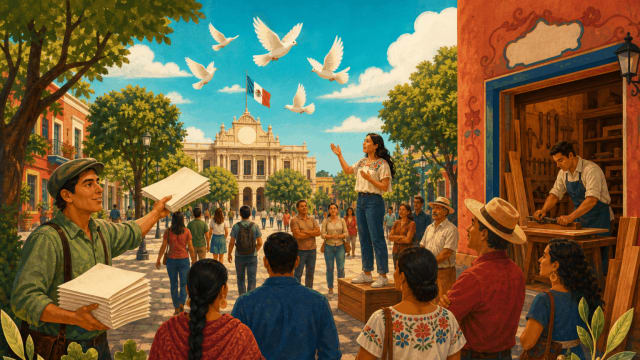
Rights and freedoms
Unit 8 · 24 cards
Articles 5 to 13: freedom of work, speech, the press, petition, assembly and movement, the right to asylum and other guarantees.
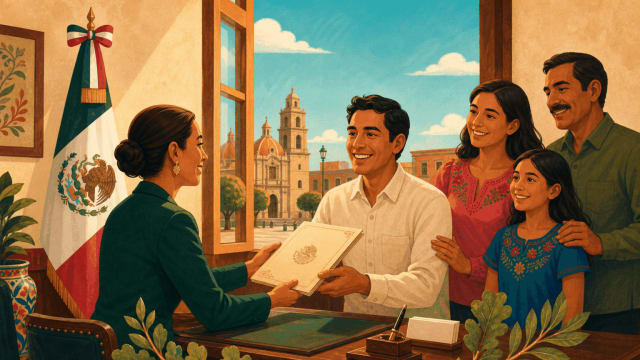
Nationality and citizenship
Unit 9 · 29 cards
Articles 30 to 38: who is Mexican, who is a citizen, their rights and duties, foreigners, and how nationality can be lost.
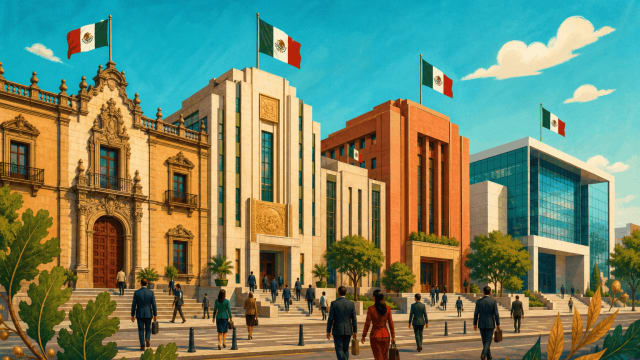
Ministries and state bodies
Unit 10 · 16 cards
What SHCP, SAT, SRE, SEGOB, CNDH, INEGI and other government acronyms stand for, and what each body does.

Public service institutions: health, housing and energy
Unit 11 · 14 cards
IMSS, ISSSTE, INFONAVIT, PROFECO, PEMEX, CFE and CONAGUA: what service each institution provides and when some were founded.
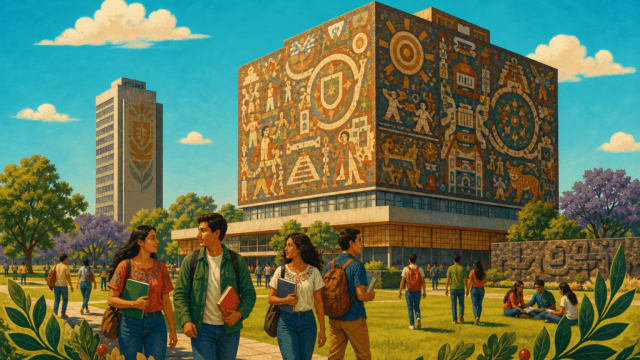
Education and culture
Unit 12 · 20 cards
The SEP, UNAM, IPN, UAM, INAH, CONALEP and other educational and cultural institutions, with their mottos and history.
Mexican History
Independence, Reform and Revolution — and the people who made it happen.
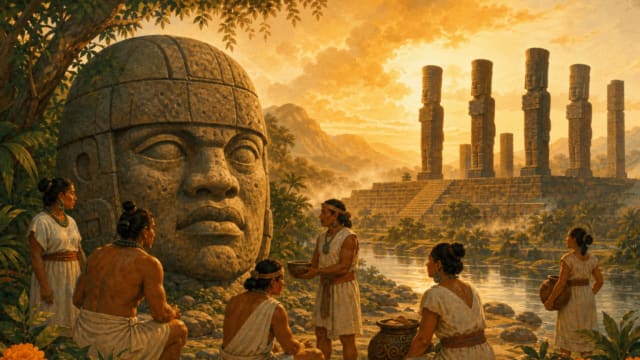
Mesoamerica, the Olmecs and the Toltecs
Unit 1 · 22 cards
The major periods of Mexican history, the pre-Hispanic periods, life in Mesoamerica, the Olmec mother culture and Tula.
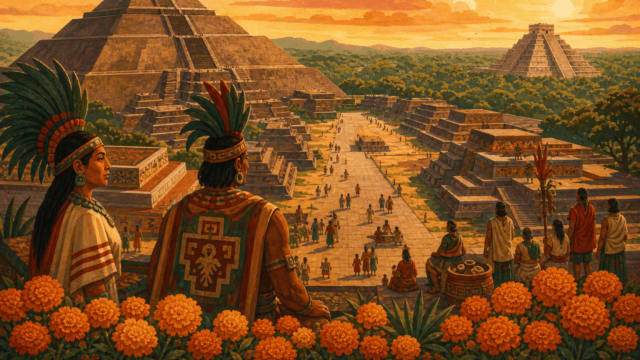
Teotihuacan, the Maya cities and the archaeological sites
Unit 2 · 22 cards
Teotihuacan and its pyramids, Chichén Itzá and other Maya cities, the archaeological sites of each state and UNESCO World Heritage.
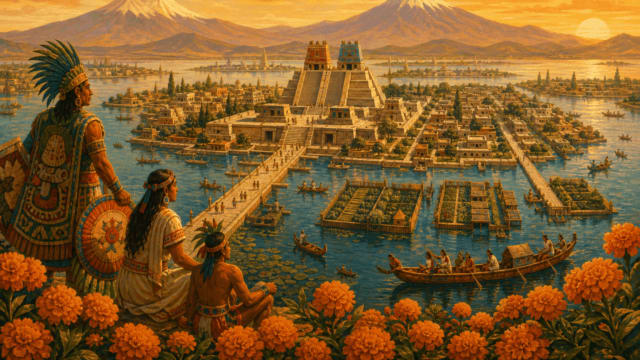
The Mexica: Tenochtitlan and its gods
Unit 3 · 22 cards
From Aztlán to the founding of Tenochtitlan in 1325, the Triple Alliance, the Templo Mayor, the Mexica and Maya gods, and what Mexico means.
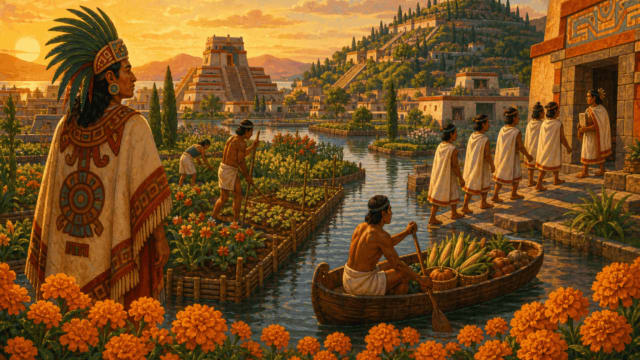
Mexica society
Unit 4 · 26 cards
The tlatoani, the altepetl, the calpulli, pipiltin and macehuales, the calmécac and telpochcalli schools, chinampas and Nezahualcóyotl.
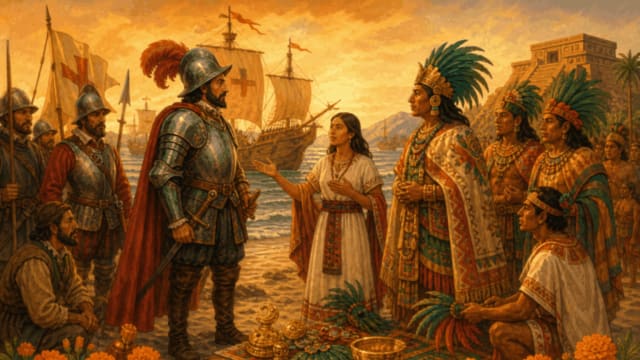
The Conquest
Unit 5 · 27 cards
Cortés's arrival in 1519, Moctezuma, La Malinche, the Noche Triste, Cuitláhuac, Cuauhtémoc and the fall of Tenochtitlan in 1521.
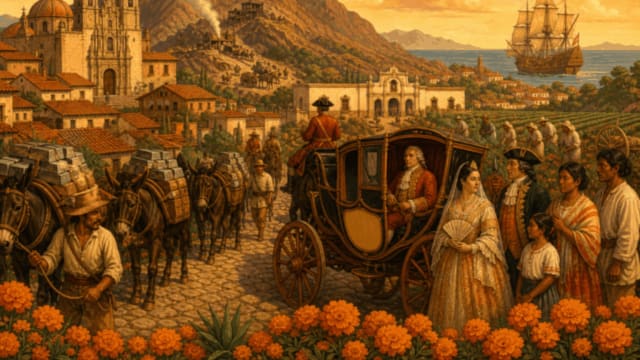
New Spain: the viceroyalty and its economy
Unit 6 · 24 cards
Viceroys, the encomienda, the caste system, haciendas and peones, silver, the Manila galleon, the Royal Treasury and Bartolomé de las Casas.
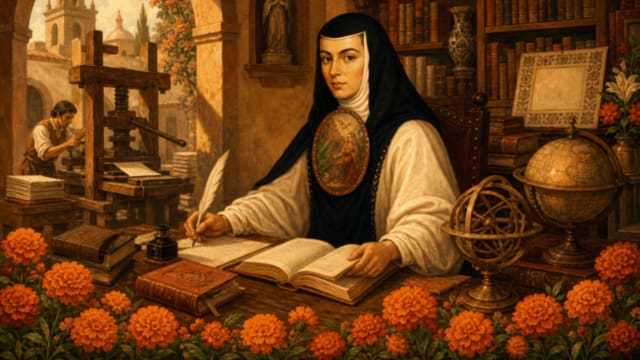
New Spain: printing, colleges and Sor Juana
Unit 7 · 17 cards
The first printing press, the colleges and newspapers of New Spain, the intendancies, Nueva Vizcaya, the Acordada, Balbuena and Sor Juana.
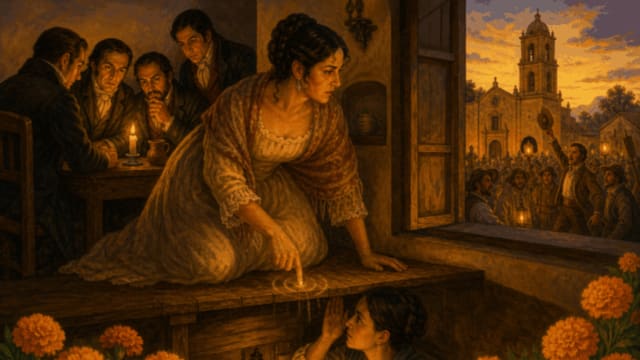
Independence: the conspiracy and the Grito
Unit 8 · 18 cards
The Valladolid conspiracy, La Corregidora Josefa Ortiz, Leona Vicario and the Grito de Dolores of 16 September 1810.

Hidalgo, Allende and the Constitution of Cádiz
Unit 9 · 21 cards
Miguel Hidalgo, Father of the Nation, Ignacio Allende and Juan Aldama, their execution in 1811 and the Constitution of Cádiz of 1812.

Morelos and Guerrero
Unit 10 · 22 cards
José María Morelos, the siege of Cuautla, the Sentimientos de la Nación, the Constitution of Apatzingán, Vicente Guerrero and Fray Servando.
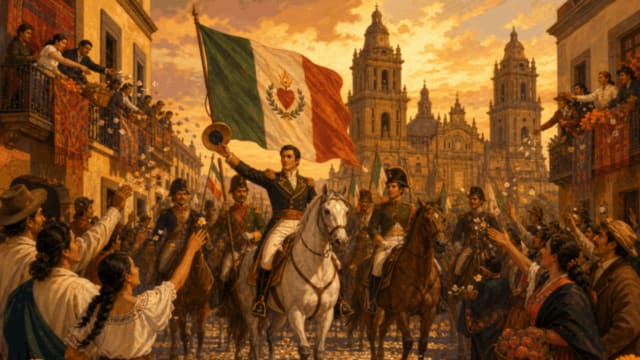
The end of the War of Independence
Unit 11 · 25 cards
The Plan of Iguala and the Three Guarantees, the Treaty of Córdoba, Iturbide and the First Empire, Guadalupe Victoria and the 1824 Constitution.
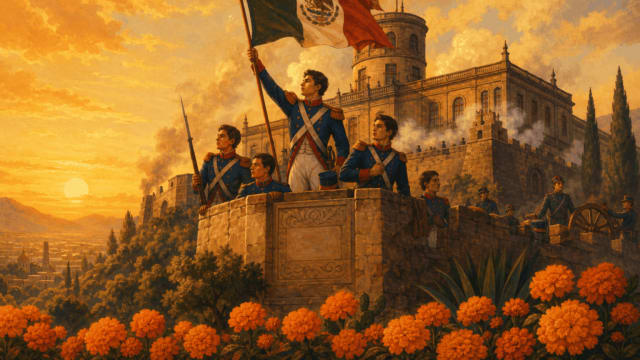
Santa Anna and the war with the United States
Unit 12 · 21 cards
Santa Anna and Texas, the 1846–1848 war, the Niños Héroes of Chapultepec, the Treaty of Guadalupe Hidalgo and the Plan of Ayutla.

Juárez and the Reform
Unit 13 · 21 cards
Benito Juárez, the 1857 Constitution, the Reform Laws, the Reform War between liberals and conservatives, and Melchor Ocampo.
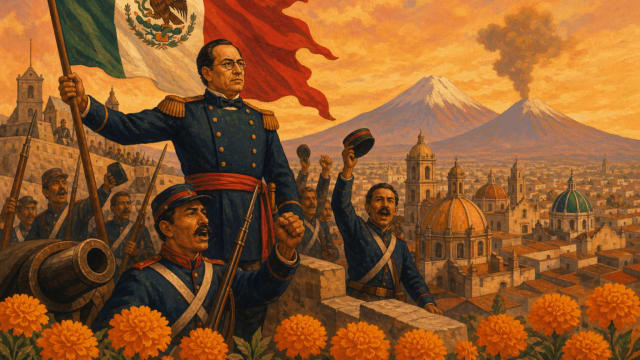
The French Intervention and the Restored Republic
Unit 14 · 24 cards
The Battle of Puebla and Cinco de Mayo, Zaragoza, Maximilian and the Second Empire, the Republic restored in 1867 and Lerdo de Tejada.
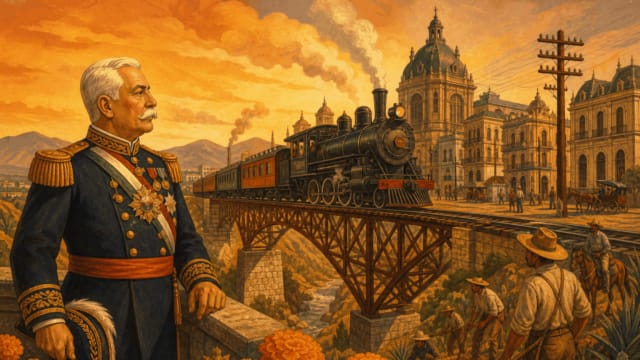
The Porfiriato
Unit 15 · 20 cards
Porfirio Díaz and his plans against re-election, railways and modernization, repression and the Cananea strike of 1906.
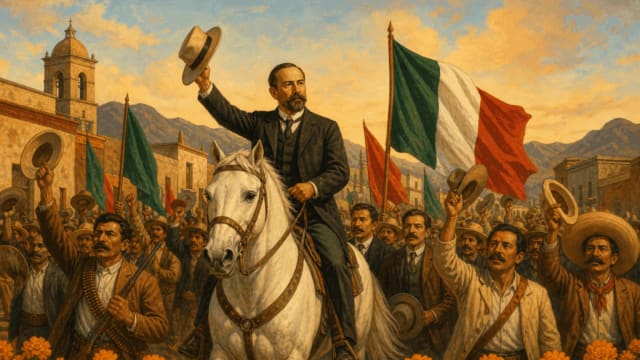
The Revolution: Madero and the Decena Trágica
Unit 16 · 22 cards
20 November 1910, the Plan of San Luis, Francisco I. Madero, Pino Suárez and Victoriano Huerta's coup in the Decena Trágica.
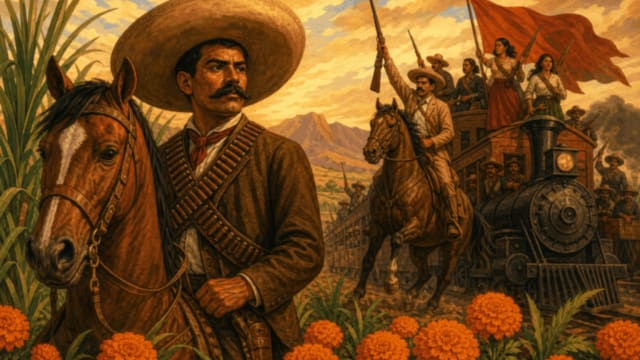
The Revolution: Zapata, Villa and Carranza
Unit 17 · 23 cards
Emiliano Zapata and the Plan of Ayala, Pancho Villa and the Division of the North, Venustiano Carranza and the Plan of Guadalupe, and the adelitas.
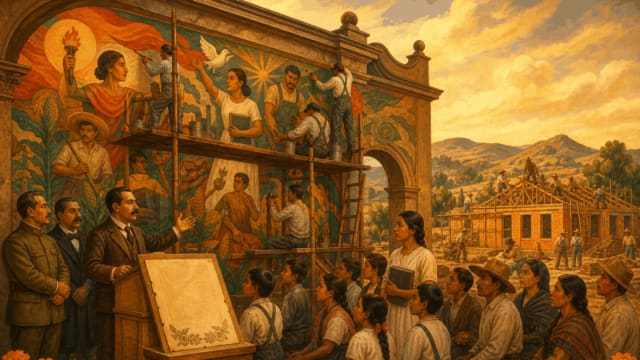
The 1917 Constitution and the strongmen
Unit 18 · 25 cards
The 1917 Constitution, Obregón, Calles and the Maximato, the Cristero War and José Vasconcelos at the Ministry of Public Education.
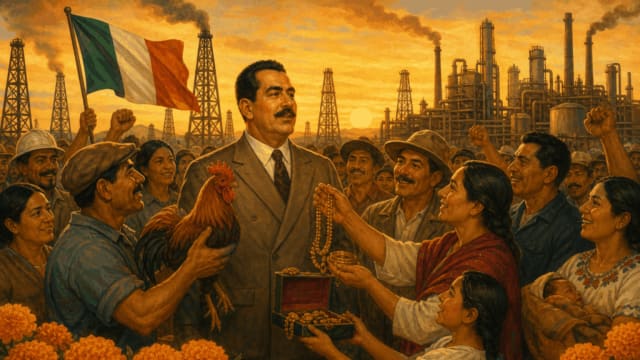
Cárdenas and the oil expropriation
Unit 19 · 17 cards
Lázaro Cárdenas and the 1938 oil expropriation, Ávila Camacho and the Second World War, and the government of Miguel Alemán.
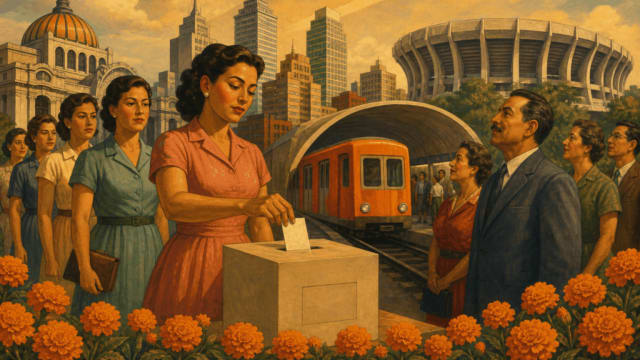
Mexico in the 20th century
Unit 20 · 20 cards
Women's suffrage in 1953, López Mateos, the Treaty of Tlatelolco, 2 October 1968, the Mexico City Metro and López Portillo's presidency.
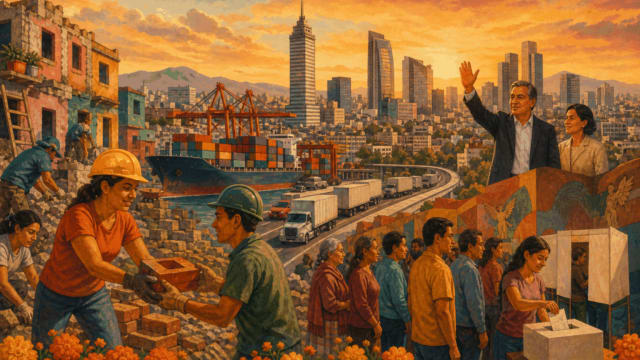
Contemporary Mexico
Unit 21 · 24 cards
The 1985 earthquake, NAFTA and the Zapatista uprising of 1994, the democratic change of 2000 and the most recent presidents.
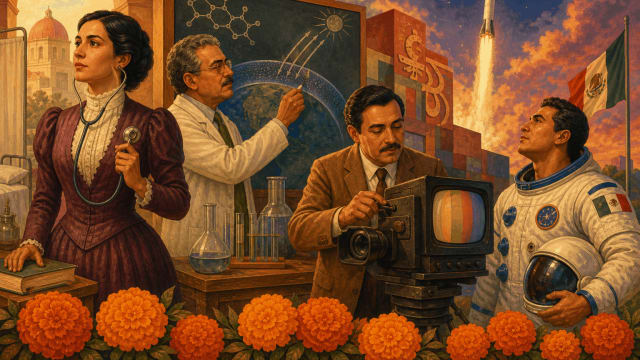
Mexicans who made history
Unit 22 · 11 cards
Scientists and inventors such as Mario Molina and González Camarena, the first Mexican astronaut and pioneering women such as Matilde Montoya.
Geography
32 state capitals, borders, monuments, regions and natural wonders.
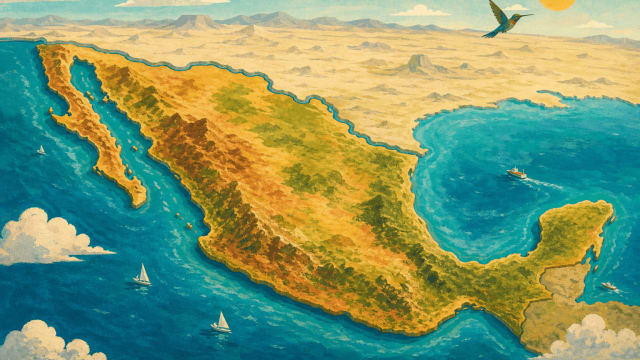
Territory, states and borders
Unit 1 · 22 cards
Mexico's size and population, its 32 federal entities, the countries and states it borders and its border cities.
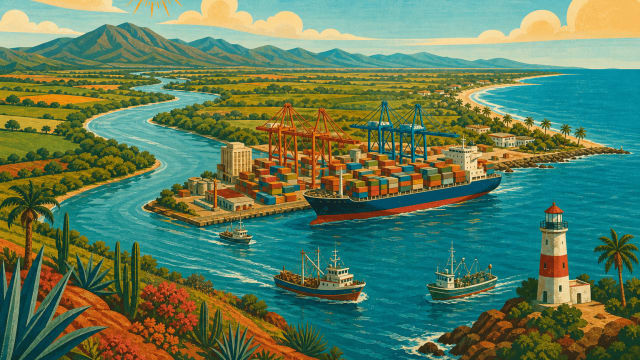
Rivers, coasts and ports
Unit 2 · 15 cards
The Río Bravo, the Pacific, Gulf of Mexico and Caribbean coasts, the main ports and what Mexico exports.
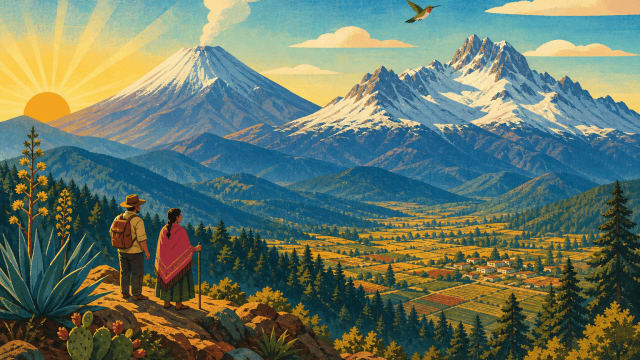
Landforms: mountain ranges, volcanoes and peninsulas
Unit 3 · 12 cards
The Sierras Madre, the Volcanic Belt, Pico de Orizaba, Popocatépetl and Iztaccíhuatl, the peninsulas and the Gulf of Mexico.
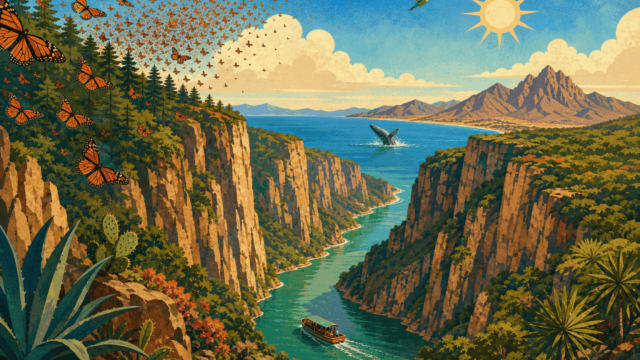
Natural wonders
Unit 4 · 11 cards
The Sea of Cortés, the Sumidero Canyon, the Cacahuamilpa Caves, Cerro de la Silla, nature reserves and endangered species.
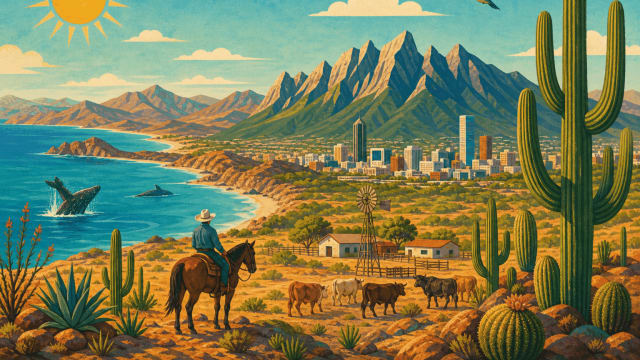
Northern states: capitals and demonyms
Unit 5 · 23 cards
The capitals and demonyms of Baja California, Baja California Sur, Sonora, Chihuahua, Coahuila, Nuevo León, Tamaulipas and more.
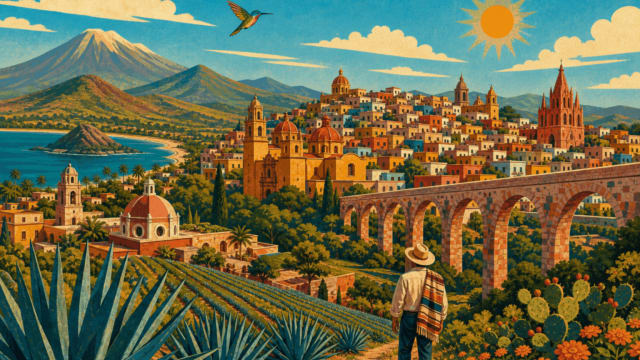
Western and Bajío states: capitals and demonyms
Unit 6 · 17 cards
The capitals and demonyms of Jalisco, Colima, Michoacán, Nayarit, Aguascalientes, Guanajuato, Querétaro and San Luis Potosí.
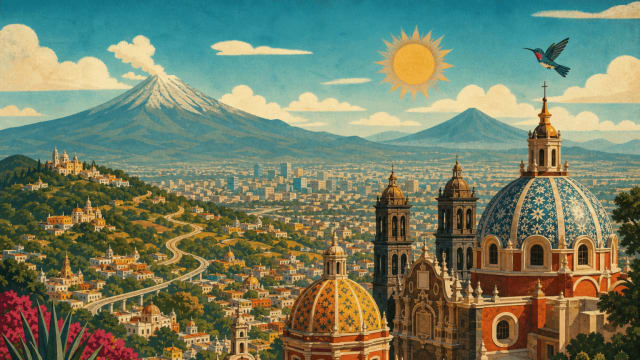
Central states: capitals and demonyms
Unit 7 · 25 cards
Mexico City and its past as the Federal District, and the capitals and demonyms of Hidalgo, the State of Mexico, Morelos, Tlaxcala and Puebla.
Southern and south-eastern states: capitals and demonyms
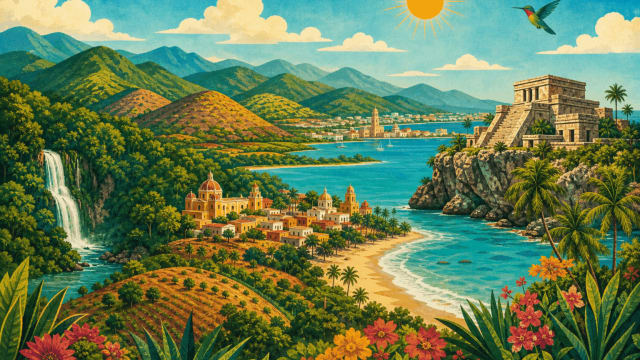
Unit 8 · 18 cards
The capitals and demonyms of Guerrero, Oaxaca, Chiapas, Veracruz, Tabasco, Campeche, Yucatán and Quintana Roo.
Cities and their nicknames
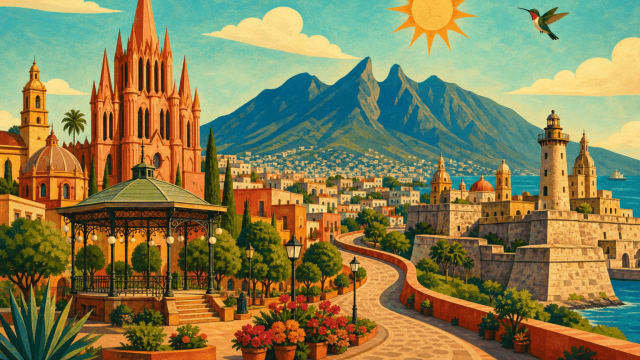
Unit 9 · 30 cards
The Pearl of the Bajío, the Windy Beauty, the Four Times Heroic, the Sultana of the North: the nicknames of Mexico's cities.

Mexico City: Paseo de la Reforma
Unit 10 · 26 cards
How Paseo de la Reforma was laid out and its monuments: the Angel of Independence, the Diana Cazadora, El Caballito and the Estela de Luz.

Mexico City: the Historic Centre and Chapultepec
Unit 11 · 20 cards
The Zócalo, the National Palace, Bellas Artes, the Torre Latinoamericana, the Monument to the Revolution, Chapultepec Castle and Los Pinos.
Pueblos Mágicos on the exam
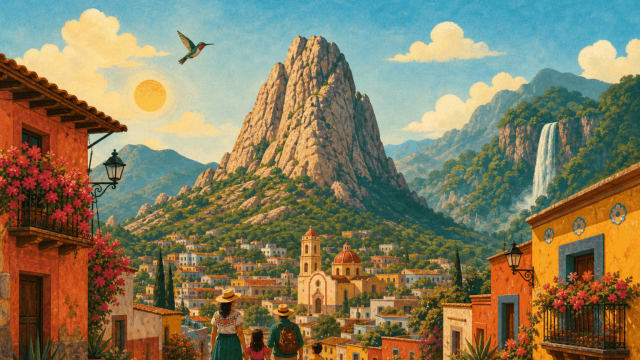
Unit 12 · 26 cards
What a Pueblo Mágico is and the ones that have come up on the exam: Bernal and its monolith, Tequila, Cholula, Izamal, Xilitla, Palenque and more.
Culture & Traditions
Holidays, festivals, traditional food and Indigenous peoples of Mexico.
Public holidays
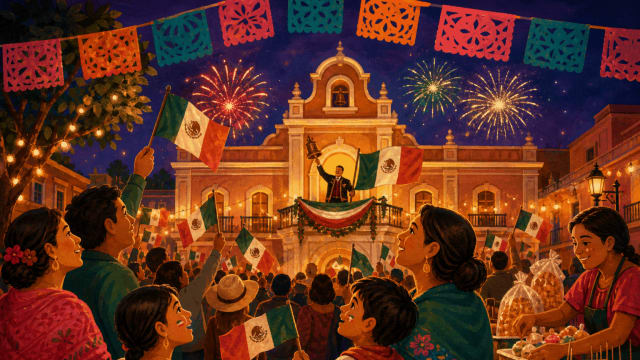
Unit 1 · 22 cards
The dates Mexico celebrates, from New Year's Day to Three Kings' Day: the night of the Grito, Revolution Day, 10 May and more.
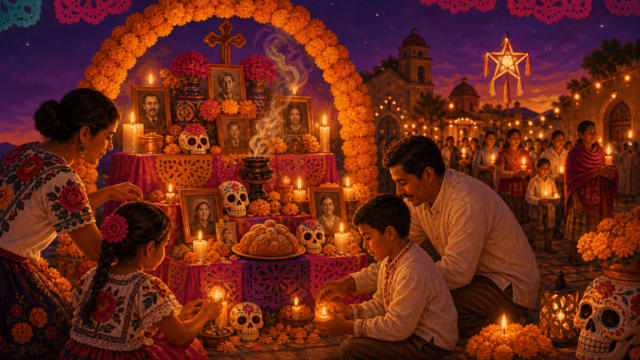
Traditions
Unit 2 · 27 cards
The Day of the Dead, the Virgin of Guadalupe, the posadas, the Passion play of Iztapalapa and the Voladores de Papantla.
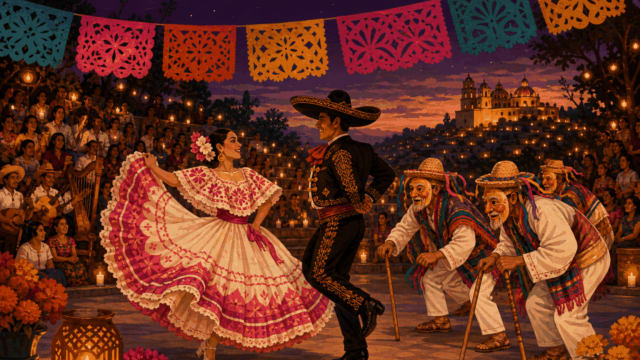
Regional dances and festivals
Unit 3 · 19 cards
The jarabe tapatío, the Dance of the Little Old Men, the jarana and other regional dances, the Guelaguetza, the Cervantino and the Night of the Radishes.
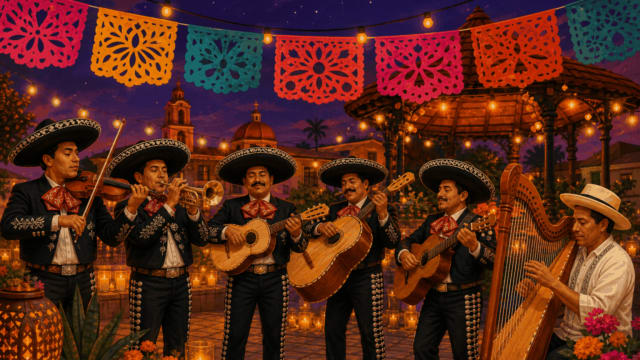
Music
Unit 4 · 12 cards
Mariachi, son jarocho and La bamba, Las mañanitas, Las golondrinas, Cri-Cri and Juan Gabriel.
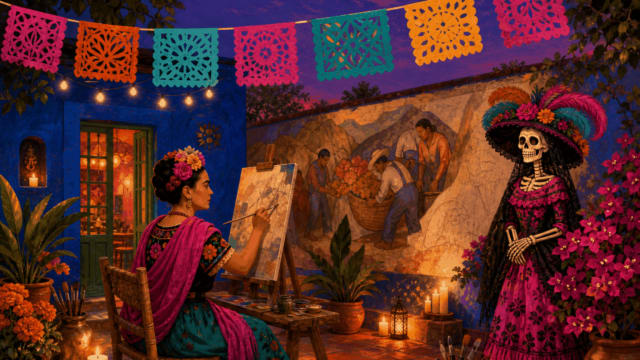
Visual arts
Unit 5 · 15 cards
The muralists Rivera, Orozco and Siqueiros, Frida Kahlo, Posada and La Catrina, José María Velasco, Luis Barragán and the Ruptura generation.
Literature
Unit 6 · 17 cards
Carlos Fuentes, Juan Rulfo, Octavio Paz, Rosario Castellanos, the novel of the Revolution, Tlatelolco in literature and the Cervantes Prize.
Film and television
Unit 7 · 20 cards
Early Mexican film, the Golden Age with Cantinflas, Pedro Infante and Jorge Negrete, Chespirito, the Ariel and the Oscar-winning directors.
Food on the exam: traditional dishes
Unit 8 · 24 cards
Pozole, tamales, mole poblano and the seven moles of Oaxaca, chiles en nogada, cochinita pibil, sopa de lima and cabrito.

Food on the exam: street snacks, cheeses and insects
Unit 9 · 17 cards
Garnachas, chalupas, memelas, panuchos, Mennonite cheese, escamoles and other insects eaten in Mexico, and the fonda.

Food on the exam: sweets, fruit and drinks
Unit 10 · 12 cards
Cajeta, buñuelos, jericalla, charamuscas, palanquetas, queso de tuna, soursop, and pulque, tequila and mezcal.
Indigenous peoples and languages: Maya, Zapotec and Totonac
Unit 11 · 24 cards
How many Indigenous languages Mexico has, the Nahua, the Maya and their achievements, the Zapotecs and Monte Albán, and the Totonacs of El Tajín.
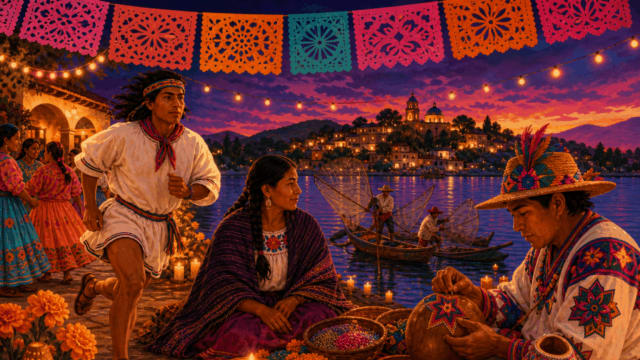
Indigenous peoples of each region
Unit 12 · 22 cards
The Purépecha of Michoacán, the Rarámuri of Chihuahua, the Chontal of Tabasco, and the Kickapoo, Tepehuan, Wixárika and Yaqui peoples.
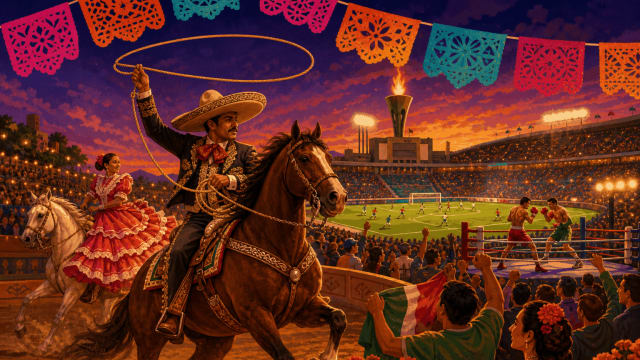
Sport
Unit 13 · 26 cards
Charrería, the 1968 Olympic Games, the World Cups held in Mexico, and athletes such as Soraya Jiménez, Julio César Chávez and Hugo Sánchez.
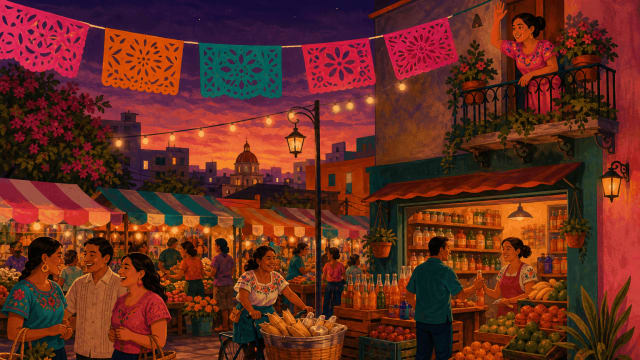
Everyday life and Mexican Spanish
Unit 14 · 11 cards
Words from Nahuatl, colloquial expressions, the market and the corner shop, city life and the Mexican women who have been Miss Universe.
Beyond the exam
Reference decks beyond the exam path: full lists and trivia (every Pueblo Mágico, the food list, fruits, the whole anthem).

Pueblos Mágicos of Mexico
127 cards
All of Mexico's Pueblos Mágicos, from Aculco to Zozocolco, with the state each one belongs to.

Mexican food
151 cards
Tacos, soups, salsas, seafood, breakfasts, sweets, cheeses and drinks: the full list of Mexican cooking and where each dish comes from.

Fruit of Mexico
18 cards
Avocado, mamey, pitaya, nance, prickly pear and other fruit eaten in Mexico.

Monuments of Mexico
32 cards
La Minerva, El Pípila, the Faro del Comercio, Teatro Juárez, Cristo Rey and other monuments in the capital and the states.
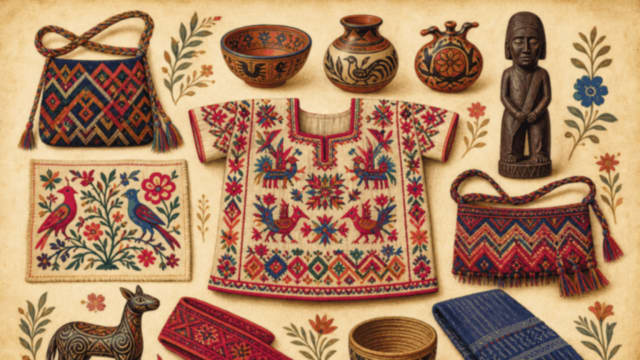
More Indigenous peoples of Mexico
69 cards
Mixtec, Otomí, Tsotsil, Tseltal, Mazahua, Seri, Kumiai and many other Indigenous peoples, where they live and what their language is called.
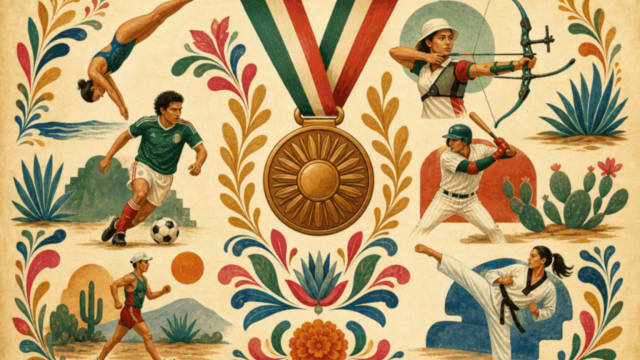
More Mexican athletes
38 cards
Olympic medallists, footballers, baseball players, divers and archers who have brought sporting glory to Mexico.
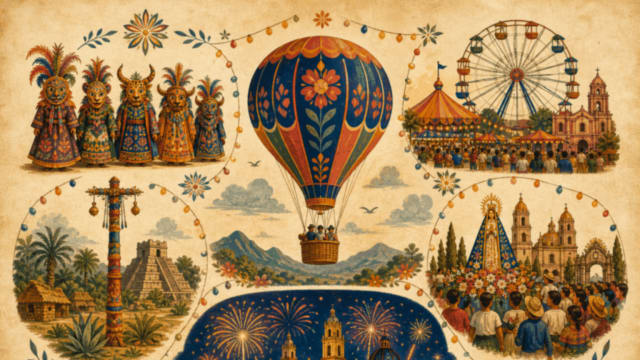
Fiestas and festivals of Mexico
21 cards
The Mazatlán Carnival, the San Marcos Fair, Cumbre Tajín, the Balloon Festival, the Romería de Zapopan and other regional fiestas.

The National Anthem, line by line
22 cards
What each line of the chorus and first verse of the National Anthem means, word by word.

The Constitution: Articles 14 to 29
31 cards
Due process, criminal justice, religious freedom, economic planning, land and water, monopolies and the suspension of rights.
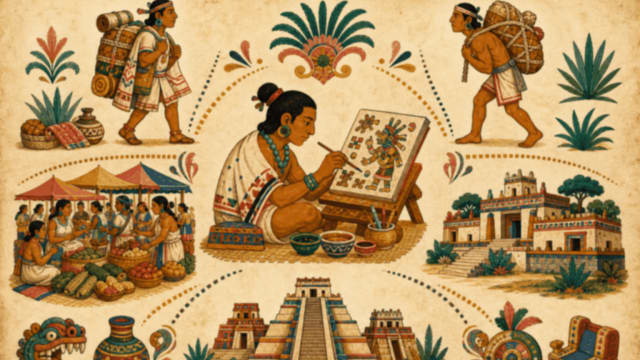
Glossary of ancient Mexico
14 cards
Cacique, pochteca, tlacuilo, tameme, tianguis, tecpan and teocalli: words from pre-Hispanic Mexico that still turn up in books.
Mexican Legends
Folklore, ghost stories, and enduring legends from across Mexico. Mexican legends commonly appear in reading-comprehension practice for the citizenship process, making them useful cultural context for learners.
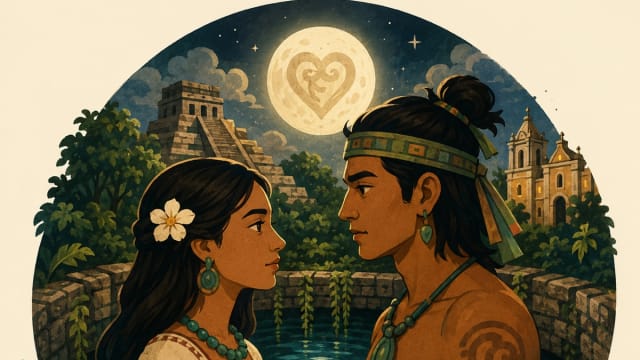
The Legend of Cenote Zací
20 cards
The doomed love of Sac-Nicté and Hul-Kin at the Zací cenote in Valladolid: a Maya legend for the naturalization exam's reading comprehension.

The Legend of Corn
20 cards
Quetzalcóatl turns into an ant to bring corn out of the mountains: an Aztec legend for the naturalization exam's reading comprehension section.

The Legend of the Mayab, the Land of the Pheasant and the Deer
21 cards
Itzamná creates the Mayab and chooses the pheasant, the deer and the rattlesnake: a Maya legend for the exam's reading comprehension section.

The Legend of the Volcanoes
18 cards
Popocatépetl and Iztaccíhuatl: the legend of the volcanoes, retold to practice the reading comprehension part of the Mexican naturalization exam.
Want spaced repetition?
Our study platform schedules your reviews so the facts stick.