
Printable Mexican Naturalization Study Guides
Every deck on our study platform can be printed as a PDF study guide — foldable flashcards you can cut out, or a plain question-and-answer sheet. Each one is generated the moment you ask for it, so a guide always matches the questions we have today.
Two ways to print
- Download PDF The ready-made guide: every card in the deck, four to a page, folded for double-sided study.
- Customize Opens the guide builder on our study platform, where you pick the language and layout, how many cards fit on a page, whether to include the fill-in-the-blank statements, and single- or double-sided printing.
Seen on the Exam
These decks are built from the questions people have reported being asked in the SRE history and culture exam, sorted by topic. If you only print one thing, print these.

Art
18 cards
Diego Rivera, Frida Kahlo, Siqueiros, La Catrina and Bellas Artes: review the Mexican art questions that have appeared on the naturalization exam.

Capitals
32 cards
All 32 Mexican state capitals, from Chilpancingo to Tuxtla Gutiérrez, plus the capital-city questions that have appeared on the naturalization exam.
Cinematography
19 cards
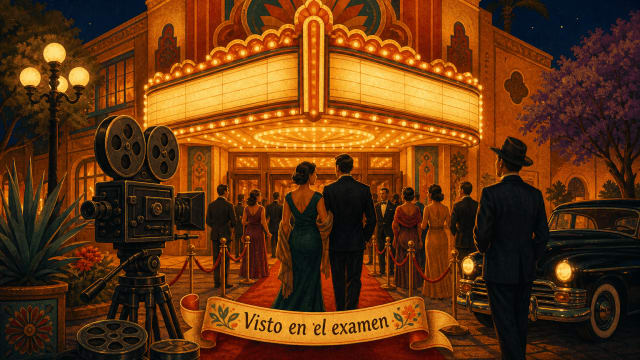
Cantinflas, Pedro Infante, María Félix, the Golden Age and the Ariel award: the Mexican cinema questions that have appeared on the naturalization exam.

Conquest
15 cards
Hernán Cortés, La Malinche, Cuauhtémoc, the Noche Triste and the fall of Tenochtitlan: the Conquest questions seen on the Mexican naturalization exam.
Constitution
24 cards
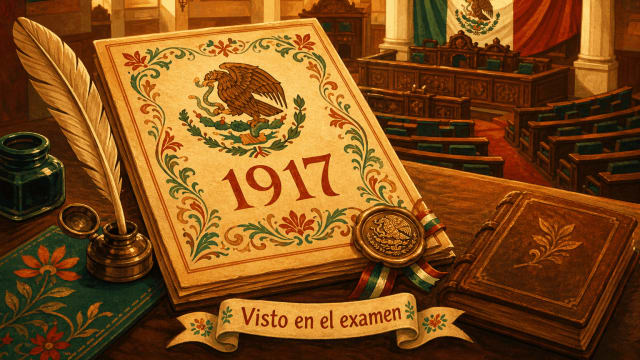
Article 3, Article 31, the 1917 Constitution and women's suffrage: the constitutional questions that have appeared on the Mexican naturalization exam.
Culture
29 cards
Indigenous languages, Nahuatl, the xoloitzcuintle, UNAM and Mexico's museums: the culture questions that have appeared on the naturalization exam.

Economy
7 cards
NAFTA, the Bank of Mexico, bank nationalization and Mexico's exports: the economy questions that have appeared on the Mexican naturalization exam.

Gastronomy
27 cards
Mole poblano, chiles en nogada, pozole, cochinita pibil and pulque: the Mexican food questions that have appeared on the naturalization exam.

Geography
45 cards
Pico de Orizaba, the Río Bravo, Popocatépetl, Chichén Itzá and the borders: the geography questions that have appeared on the naturalization exam.

Government
34 cards
The three branches, Congress, the Supreme Court, the INE, IMSS and SEP: the government questions that have appeared on the Mexican naturalization exam.

History
91 cards
80 topics in Mexican history, from the Grito de Dolores to Tlatelolco: review the history questions that have appeared on the naturalization exam.

Independence
12 cards
Hidalgo, Allende, Josefa Ortiz, the Plan de Iguala and the Treaty of Córdoba: the Independence questions seen on the Mexican naturalization exam.

Literature
16 cards
Octavio Paz, Carlos Fuentes, Sor Juana, Rulfo and Elena Poniatowska: the Mexican literature questions that have appeared on the naturalization exam.

Magical Towns
11 cards
What a Pueblo Mágico is and which ones get asked: Tequila, Izamal, Cholula, Xilitla and Jerez, on the Mexican naturalization exam.

Monuments
20 cards
The Ángel de la Independencia, Bellas Artes, the Zócalo, Chapultepec and the Estela de Luz: the monument questions seen on the naturalization exam.

Music
12 cards
Mariachi, La Bamba, son jarocho, Juan Gabriel and Cri-Cri: the Mexican music questions that have appeared on the naturalization exam.

National Symbols
11 cards
The flag, the eagle-and-serpent coat of arms, the national anthem and the dahlia: the national symbol questions from the Mexican naturalization exam.

New Spain
19 cards
The viceroyalty, the encomienda, criollos, the Manila Galleon and silver: the New Spain questions that have appeared on the naturalization exam.

Pre-Columbian
77 cards
Maya, Mexica, Olmec and Zapotec: Teotihuacán, Tenochtitlan, Monte Albán and Chichén Itzá in the pre-Hispanic questions from the naturalization exam.

Quotes
11 cards
Who said what: Juárez, Hidalgo, Morelos, Zapata and Sor Juana. Review the famous quotes that have appeared on the Mexican naturalization exam.

Revolution
13 cards
Madero, Zapata, Pancho Villa, Carranza, the adelitas and the Decena Trágica: the Revolution questions seen on the Mexican naturalization exam.

Science
5 cards
Mario Molina, Guillermo González Camarena, Matilde Montoya and Neri Vela: the Mexican science questions that have appeared on the naturalization exam.

Sports
10 cards
Hugo Sánchez, Julio César Chávez, Canelo, Ana Gabriela Guevara and charrería: the sports questions that have appeared on the naturalization exam.

Traditions
25 cards
Day of the Dead, the Guelaguetza, the voladores de Papantla, posadas and the Virgin of Guadalupe: the tradition questions from the naturalization exam.
Every Other Deck
Background that goes past the reported questions — history, civics, geography, culture, legends and Mexican Spanish.
Civic Monuments of Mexico
53 cards
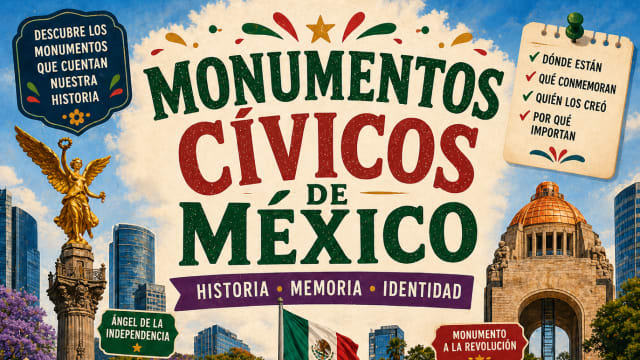
A citizenship-study guide to Mexico's most recognizable civic monuments, especially the famous Mexico City landmarks often mentioned in study guides. Learn where they are, what they commemorate, who created them, and why they matter in Mexican public memory.

Famous Festivals and Celebrations of Mexico
50 cards
A citizenship-study guide to Mexico’s nationally known festivals, pilgrimages, fairs, and civic celebrations. Learn where they are celebrated, when they happen, what they commemorate, and why they matter in Mexican cultural life.
Fruits in Mexico
19 cards
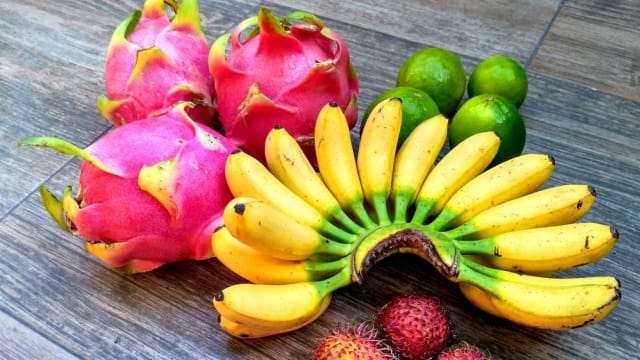
This deck is designed to help students of all ages expand their knowledge of the vibrant and diverse fruits native to Mexico while also building their vocabulary in both English and Spanish. Mexico is renowned for its rich agricultural heritage, and its bountiful array of fruits reflects the country's unique blend of flavors, colors, and cultural traditions. Whether you're a language learner, a culinary enthusiast, or simply curious about the world's fruits, this deck is an exciting journey into the delicious world of Mexican produce.
Geological Wonders of Mexico
4 cards
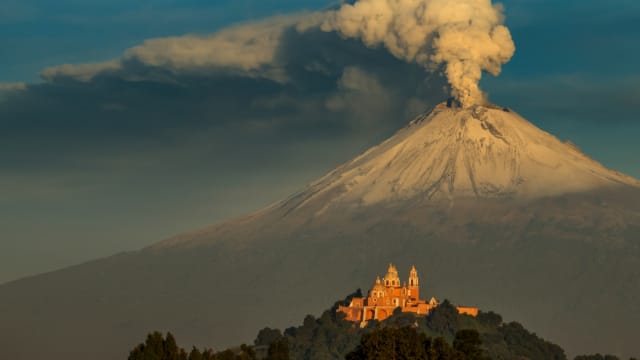
Dive deep into the geological majesty of Mexico with this comprehensive flash card deck. Each card vividly depicts and describes the unique landscapes and geological formations that make Mexico one of the world's most diverse countries in terms of geography and geology. From the towering mountain ranges of the Sierra Madres to the serene cenotes of the Yucatán, this deck provides a holistic understanding of the landforms that have shaped the cultural and biological tapestry of Mexico. **Features:** - **High-Quality Images:** Each card boasts a clear and captivating image of the geological feature, allowing for visual recognition. - **Detailed Descriptions:** Flip the card to read about the origin, significance, and unique attributes of each geological wonder. - **Educational and Engaging:** A perfect tool for students, educators, and anyone eager to learn about Mexico's vast geological landscape. - **Categorized Cards:** Features are grouped based on their type, such as mountains, volcanoes, and water bodies, for easier sorting and learning. - **Compact and Durable:** Designed for easy handling, making it perfect for on-the-go learning or group study sessions. Whether you're preparing for an exam, planning a trip, or just curious about the world, the "Geological Wonders of Mexico" flash card deck is your passport to understanding the landforms that have profoundly influenced the history, ecology, and culture of Mexico.

Heroes of Mexican History
84 cards
Learn about the people who shaped Mexico’s history, independence, reform, revolution, and national identity. This deck introduces important figures such as Miguel Hidalgo, José María Morelos, Benito Juárez, Francisco I. Madero, Emiliano Zapata, Pancho Villa, Lázaro Cárdenas, and others whose lives and actions are useful for understanding Mexico’s civic and historical foundations. Designed for learners preparing for the Mexican citizenship exam as well as curious expats and history enthusiasts, these flash cards focus on who these figures were, what they did, and why they remain important in Mexico today.

Important Dates in Mexican History
75 cards
Learn the key dates that shaped Mexico’s history, from the fall of Tenochtitlan and the beginning of Independence to the Reform era, the Revolution, the Constitution of 1917, and modern civic milestones. This deck is designed to help learners connect dates with the people, events, and ideas behind them, without getting lost in unnecessary detail. Built for students preparing for the Mexican citizenship exam as well as curious expats and history learners, these flash cards focus on the dates most useful for understanding Mexico’s national story, civic calendar, and historical identity.

Indigenous Peoples and Languages of Mexico
96 cards
Explore the rich diversity of Mexico's Indigenous peoples, languages, and cultural regions. This deck introduces major Indigenous groups such as the Nahua, Maya, Zapotec, Mixtec, Purépecha, Rarámuri, Wixárika, Yaqui, and many others, with a focus on where they live, the languages they speak, and their historical and cultural significance. Designed for learners preparing for the Mexican citizenship exam as well as anyone interested in Mexico's pluricultural identity, these flash cards help connect geography, history, civics, and language. You'll learn about Indigenous languages recognized as national languages, important institutions such as INALI and INPI, and the role Indigenous communities continue to play in Mexico today.

Magical Towns in Mexico
134 cards
Welcome to the Magical Towns Flash Card Deck, your ultimate companion for exploring the enchanting Pueblos Mágicos of Mexico! Whether you're a curious traveler planning a trip, a passionate explorer of Mexican culture, or even studying for the Mexican citizenship test, these flash cards are your ticket to discovering the hidden gems of Mexico's magical towns.
Mexican Constitution Articles 1-38
71 cards
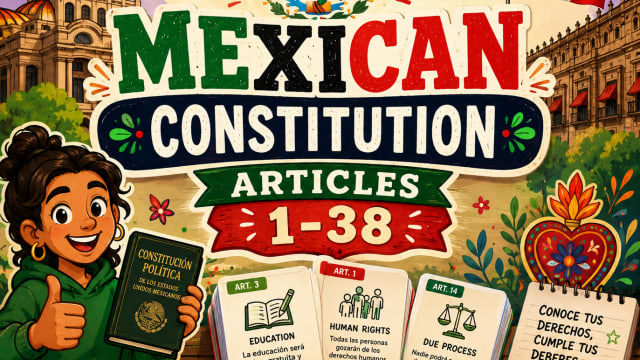
Articles 1 through 38 of the Mexican Constitution, one by one: education, citizenship, property, due process, and the article numbers the exam asks for.
Mexican Flag Symbolism
26 cards
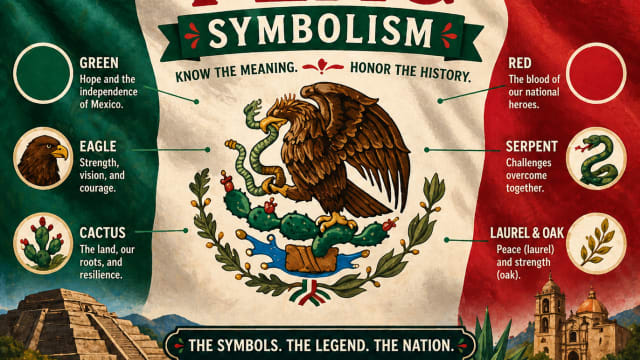
A citizenship-study guide to the symbols of the Mexican flag: its colors, coat of arms, eagle, serpent, cactus, and founding legend. Learn what each part represents in Mexican history, civic identity, and common patriotic interpretation.
Mexican Holidays
19 cards
This flashcard deck covers Mexico’s official, civic, and popular holidays. It's ideal for preparing for the Mexican citizenship exam or simply learning more about the country's traditions and celebrations.
Mexican Institutions
34 cards
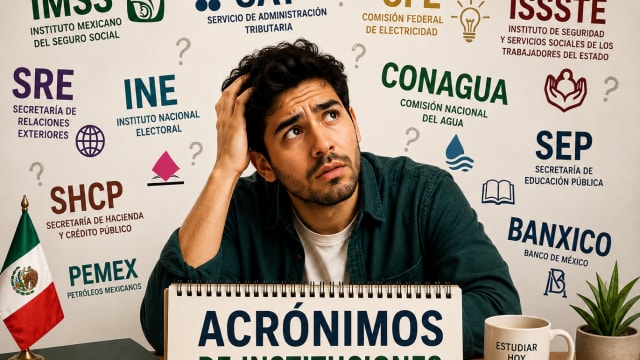
Welcome to your ultimate guide to mastering the essential acronyms of Mexican institutions! Whether you're preparing for the Mexican citizenship exam, a new expat navigating life in Mexico, or a language learner keen to deepen your understanding of Mexican culture and government, this flash card deck is tailored for you. In Mexico, acronyms are everywhere—from government departments to public services—and getting familiar with them is key to understanding how the country functions. That's why we've meticulously compiled and created a comprehensive flash card deck that covers the most commonly encountered and significant acronyms, including SAT (Servicio de Administración Tributaria), IMSS (Instituto Mexicano del Seguro Social), SHCP (Secretaría de Hacienda y Crédito Público), CONDUSEF (Comisión Nacional para la Protección y Defensa de los Usuarios de Servicios Financieros), and SSP (Secretaría de Seguridad Pública), among others. Here are some reasons why this flash card deck is an invaluable resource for you: - **Customized Learning Experience**: Tailored specifically for those aiming to pass the Mexican citizenship exam, as well as expats and language learners, this deck helps demystify complex acronyms and the institutions they stand for. - **Engaging Content**: Each card combines crucial information with engaging visuals and context, making learning an enjoyable experience. - **Effective Memorization Strategy**: Utilize the power of active recall and spaced repetition to enhance your memory retention and recall abilities, making sure you’re exam-ready or better integrated into Mexican society. - **Cultural Insight**: Beyond the acronyms, gain insight into the workings of Mexican institutions and the role they play in the fabric of Mexican society. Embark on your learning journey today with our flash card deck and turn the daunting task of memorization into an engaging and rewarding experience. Whether you're studying for an exam, planning to live in Mexico, or simply curious about its institutional framework, this deck is your gateway to becoming more knowledgeable and confident about Mexico's key institutions. Try out the deck now, and take the next step towards mastering the essential acronyms of Mexican institutions. ¡Buena suerte en tu aprendizaje!
Mexican National Anthem, Explained
30 cards
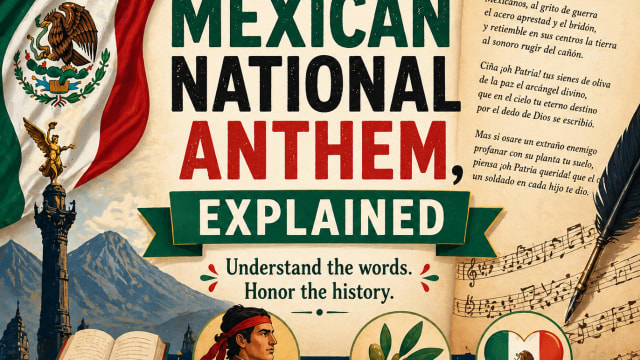
A line-by-line guide to the commonly sung part of the Mexican National Anthem. This deck explains the older Spanish, patriotic imagery, and historical tone of the anthem so English speakers can understand what the words mean, not just memorize them.

Mexican Political System
26 cards
The three branches, Congress, federalism, the INE, municipalities and parties: how Mexico's political system works, topic by topic, for the exam.

Mexican Presidents
36 cards
From Guadalupe Victoria to Claudia Sheinbaum: 18 Mexican presidents, when they governed and why the citizenship exam still asks about them.

Mexican Revolutionary Wars & Conflicts
24 cards
Independence, the war with the United States, the Reforma, the French Intervention, the Revolution and the Cristero War: causes, leaders and outcomes.
Mexican Sports Heroes
54 cards
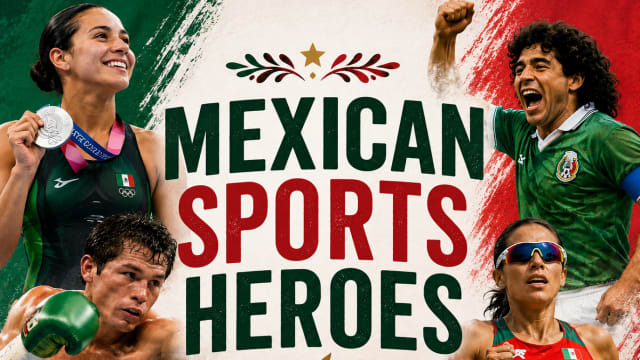
Hugo Sánchez, Canelo, Lorena Ochoa, Soraya Jiménez and Alexa Moreno: 25 Mexican athletes, their sport, their medals and why they are remembered.

Mexican State Capitals
32 cards
Get to know Mexico from its heart and capitals with this essential flashcard deck! Perfect for expats studying Spanish and those preparing for the Mexican citizenship exam, these cards will help you master the names and locations of all 32 Mexican state capitals. Whether you’re building language skills or deepening your understanding of Mexico's diverse regions, these flashcards provide a quick, efficient way to familiarize yourself with the country’s key cities and their unique regional contexts.

Mexico's Borders and Neighbors
22 cards
Mexico's neighbors, its border states, the Río Bravo, its three coastlines and its main ports: the geography of Mexico's borders, made exam-ready.

Nicknames of Mexican Cities
30 cards
La Ciudad Blanca, La Sultana del Norte, La Perla de Occidente: where the nicknames of Mérida, Monterrey, Guadalajara and 12 more Mexican cities come from.
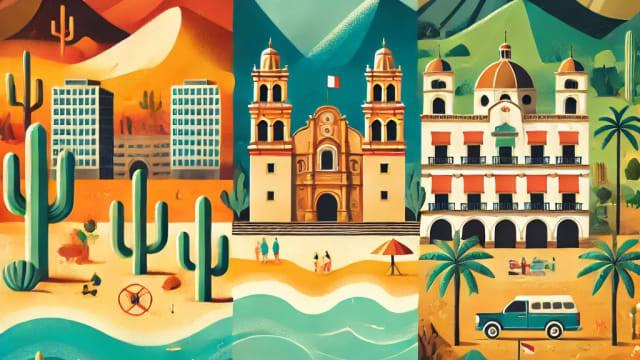
Regional Nicknames of Mexico
32 cards
Discover the unique regional nicknames used across Mexico to describe people from different states! This flashcard set helps you learn the fun and sometimes unexpected adjectives (known as gentilicios or demonyms) that Mexicans use to refer to locals from specific regions. From "Tapatío" for Jalisco to "Regiomontano" for Monterrey, mastering these terms will enrich your understanding of Mexican culture and language. Perfect for learners of Mexican Spanish or anyone curious about regional identities across the country!
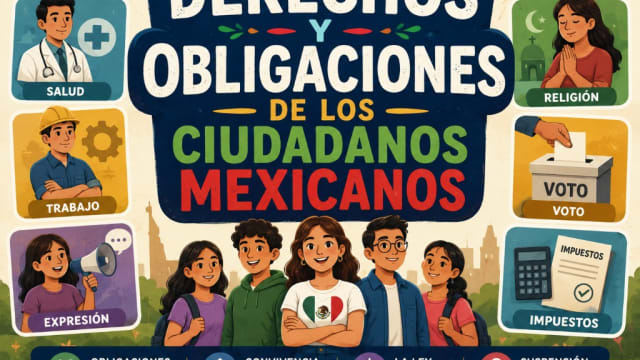
Rights and Duties of Mexican Citizens
22 cards
Education, health, work, free speech, voting and taxes: the rights and duties of a Mexican citizen that the naturalization exam asks about.
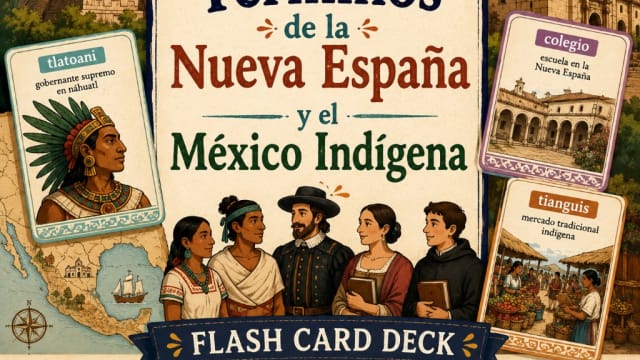
Terms of New Spain and Indigenous Mexico
32 cards
Tlatoani, altepetl, calpulli, tianguis, chinampa and pochteca: 16 terms from Indigenous Mexico and New Spain that turn up in history and civics.
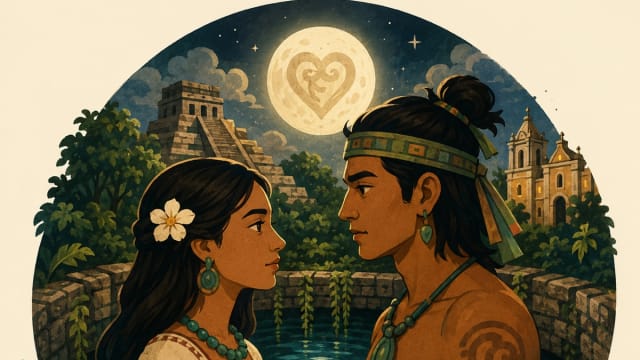
The Legend of Cenote Zací
20 cards
The doomed love of Sac-Nicté and Hul-Kin at the Zací cenote in Valladolid: a Maya legend for the naturalization exam's reading comprehension.

The Legend of Corn
20 cards
Quetzalcóatl turns into an ant to bring corn out of the mountains: an Aztec legend for the naturalization exam's reading comprehension section.

The Legend of the Mayab, the Land of the Pheasant and the Deer
21 cards
Itzamná creates the Mayab and chooses the pheasant, the deer and the rattlesnake: a Maya legend for the exam's reading comprehension section.

The Legend of the Volcanoes
18 cards
Popocatépetl and Iztaccíhuatl: the legend of the volcanoes, retold to practice the reading comprehension part of the Mexican naturalization exam.
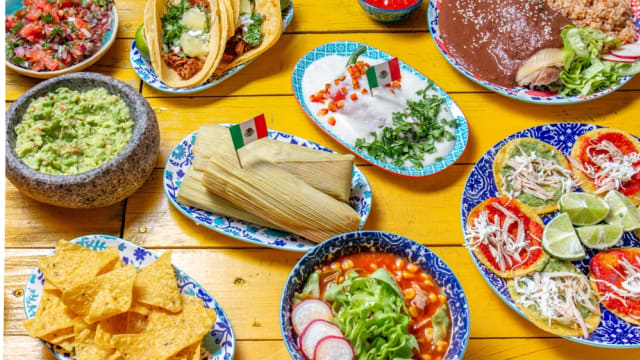
Traditional Mexican Food
176 cards
This is a comprehensive flash card deck designed to help learners explore the rich and diverse world of traditional Mexican cuisine. It features detailed entries on over 70 Mexican foods, each meticulously crafted to provide a thorough understanding of the dish. Each food entry includes a label with the name of the dish, a detailed description of the food, its origins, preparation methods, and significance. From widely loved staples like Tacos and Enchiladas to lesser-known regional specialties like Chapulines and Ahuautle, this deck spans the breadth of Mexican culinary tradition. It also encompasses a variety of foods, including main dishes, desserts, candies, and even the unique world of edible bugs and insects in Mexico. With its blend of fascinating facts and practical information, this flash card deck provides an engaging way to learn about Mexican cuisine, its history, regional differences, and cultural significance.
Want spaced repetition?
Our study platform schedules your reviews so the facts stick.